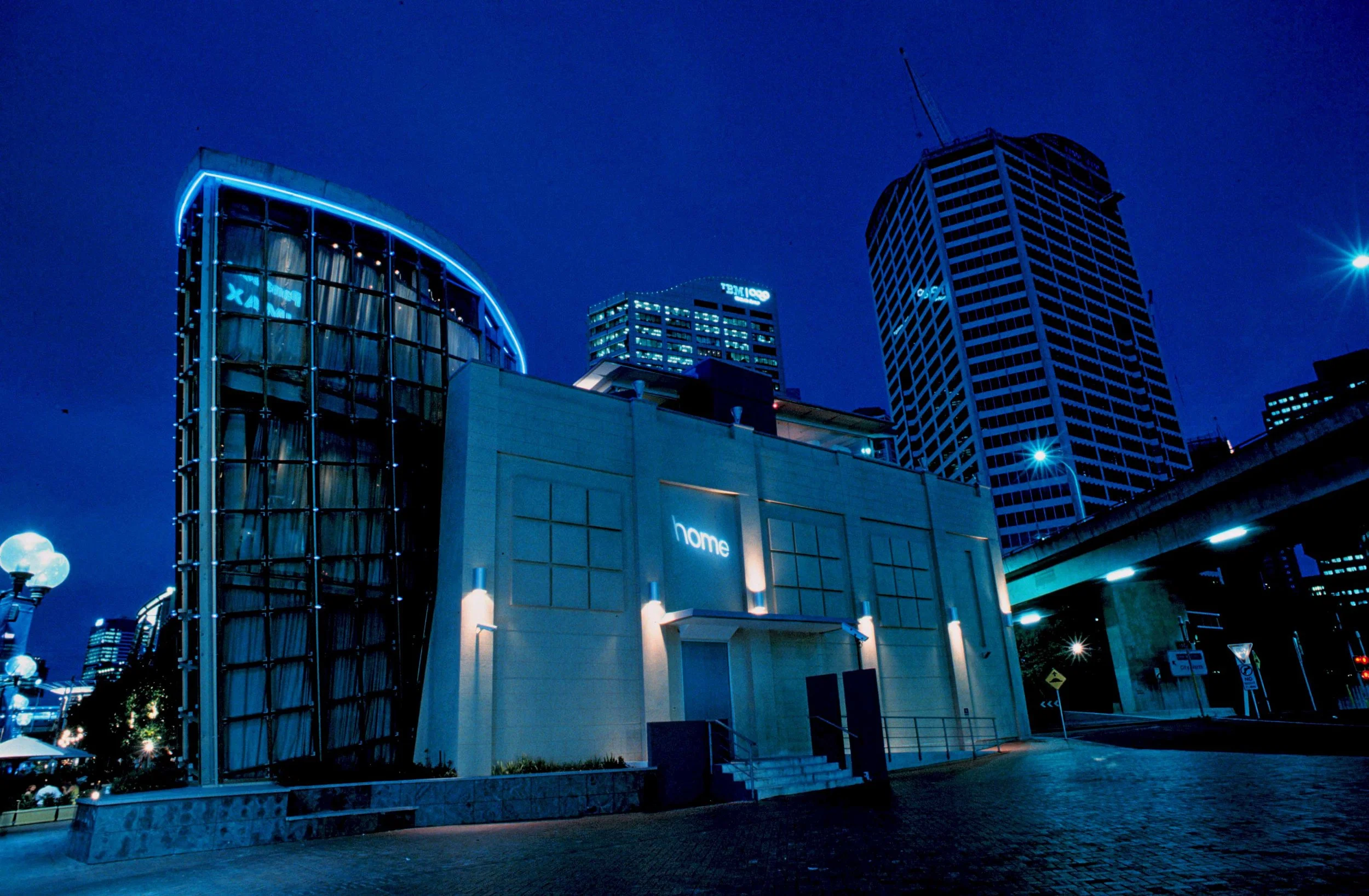

if I can see it and believe it,
then I can achieve it.
I spent much of my time travelling between Australia and Italy, following the summer seasons. Looking back, it was an incredible journey. I was fortunate enough to play music, travel extensively and experience nightclub cultures across Europe and Australia during a period when the industry was evolving rapidly. As it often happens, there was a trade-off. Constant travel eventually created a feeling of being disconnected from both countries.
When I was in Italy, I felt removed from what was happening in Sydney. When I returned to Australia, I felt I needed to be in Europe. By the time I came back to Sydney in 1995, I realised I needed to make some decisions about where I wanted to build my future.
Sydney was changing and so was the industry. As a DJ, I had never moved into music production. I felt my strengths were elsewhere. I enjoyed the entertainment side of the business, understanding the dynamics of a room, reading a crowd and recognising how every person within a venue contributed to the overall experience. People often focus on the DJ, but successful venues are built by teams. Door hosts, security, bartenders, floor staff, dancers, lighting operators and managers all play a role in creating the atmosphere.
From 1987 until 1995
Over the years I learned that nightlife has its own language. If you pay attention, you can sense changes in mood and energy long before problems develop. Prevention is always easier than dealing with escalation.
At the time I had finished my residency at Sugareef while continuing to play guest spots in Sydney. Around the same period I became involved in a series of parties in Kangaroo Valley. It was there that I met Paul Collings, a former partner at KPMG.
Paul and I began discussing the possibility of creating a venue unlike anything Sydney had seen before. I was never particularly interested in simply opening another nightclub or promoting another party. The ambition was to create a purpose-built entertainment venue where music, sound, lighting, hospitality and design would work together. The idea was inspired by some of the larger European venues I had experienced during my travels, but adapted for Sydney and the local market.
The timing felt right. Sydney was preparing for the Olympic Games and there was a growing sense of confidence throughout the city. Hospitality, tourism and entertainment were all evolving and there was a willingness to think bigger than before. We secured some early support and began investigating potential sites in Walsh Bay, Alexandria and Mascot.
At the time, I was looking for the right people to help transform the concept into a reality. While we had a clear vision for the venue, I understood the importance of surrounding ourselves with individuals who had already developed and operated successful large-scale clubs internationally.
I asked my friend Claudio Coccoluto for his opinion. Claudio, who sadly passed away in 2021, was not only one of Europe's most respected DJs but also someone whose judgement I trusted immensely. When I shared the concept with him, he immediately suggested that I speak with two people: Beppe Riboli from Fura in Italy and Ron McCulloch from The Tunnel in Glasgow.
Following Claudio's recommendation, I travelled to Europe in late 1996 with the intention of meeting both men and exploring whether they could become involved in the project.
The trip began in Italy. Claudio and I met in my hometown of Recco, providing us with the opportunity to spend time together and discuss the project in greater detail. We spoke over some Focaccia col Formaggio about the changing landscape of nightlife and the opportunities emerging in Sydney. From Italy I travelled to Scotland to meet Ron McCulloch. I went to Glasgow expecting to interview an architect, but Ron turned the tables and ended up interviewing me instead.
What began as a conversation about venue design quickly expanded into discussions about operations, crowd flow, hospitality, sound systems and the practical realities of developing large-scale entertainment venues.
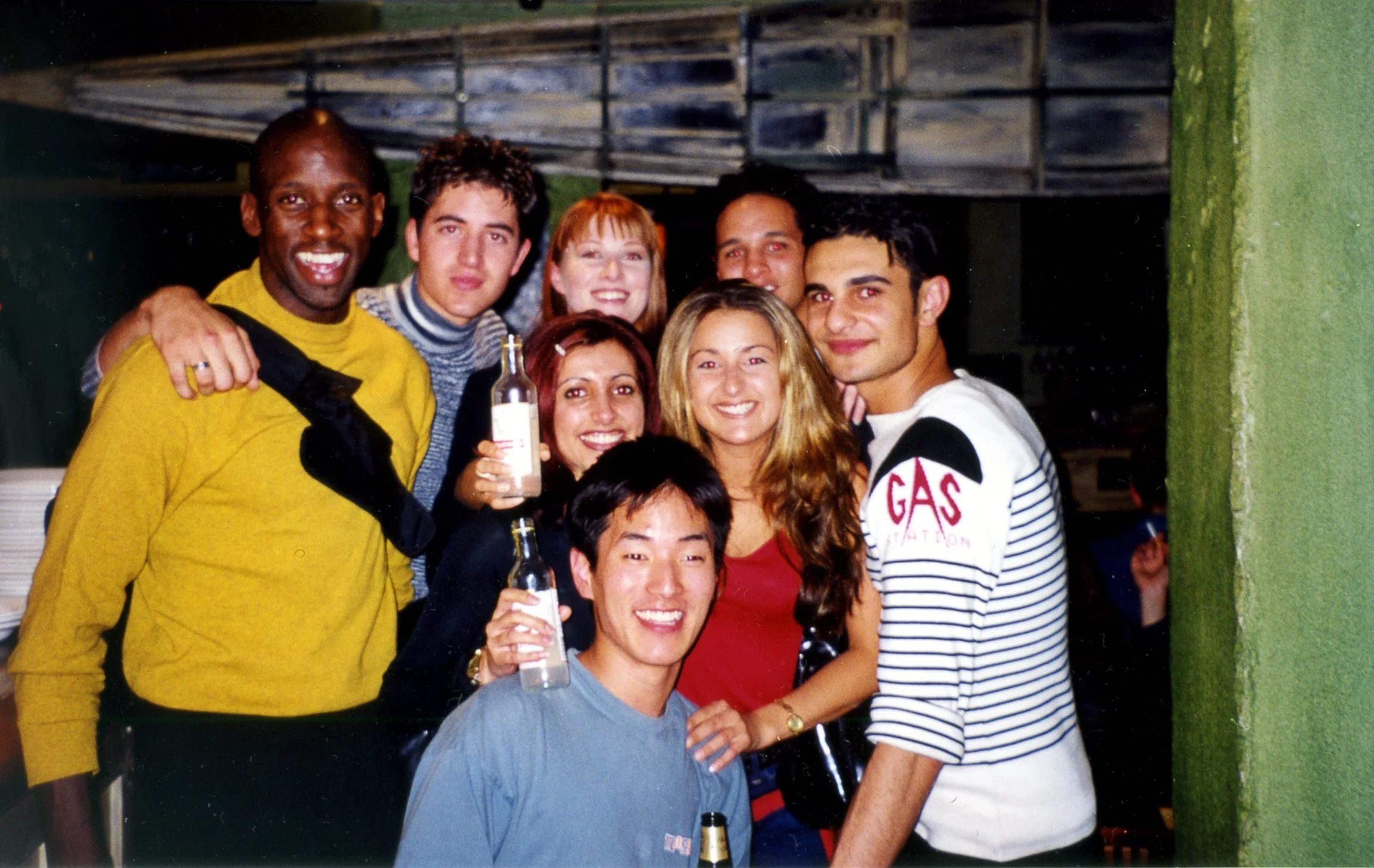
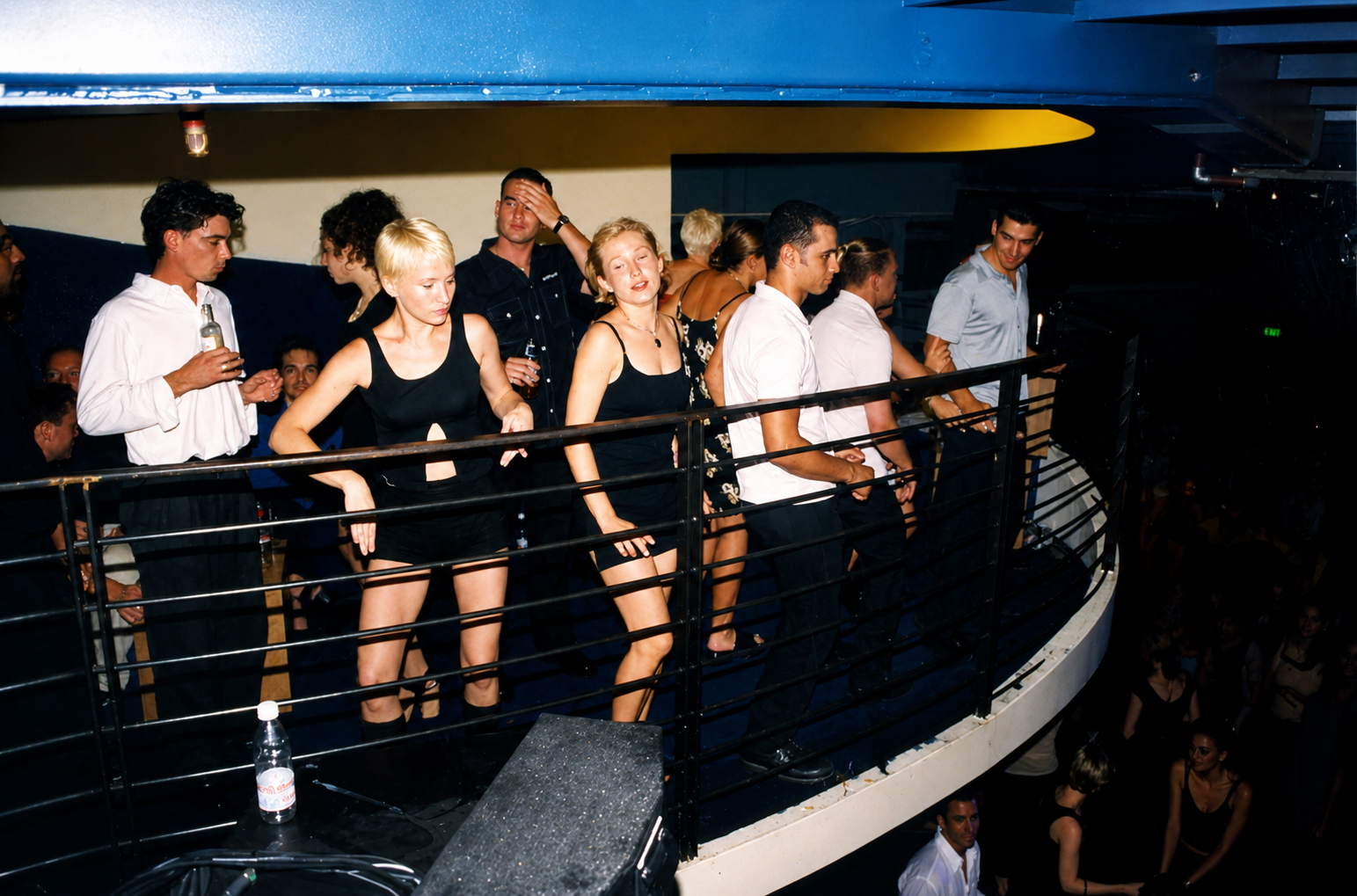
At the time, I approached both Ron and Beppe as potential architects and creative contributors to the project. Their experience and perspectives proved invaluable.
What I did not fully appreciate during those initial meetings was the scale of Ron's operation and the opportunities that could emerge from the relationship.
Ron was the founder of the Big Beat Group, one of Scotland's most successful leisure and nightlife companies. The group operated The Tunnel in Glasgow and had established Big Beat International to pursue opportunities outside Scotland. The international team included Darren Hughes, co-founder of Liverpool's Cream nightclub, while Paul Oakenfold had been appointed Director of Music and resident DJ for the soon to come HOME project in London. The discussions quickly moved beyond exchanging ideas.
Following the trip, Paul Collings and I entered into a partnership with the Big Beat Group under the banner of Big Beat Australia. The experience, credibility and international connections they brought added significant weight to our plans and helped refine the concept.
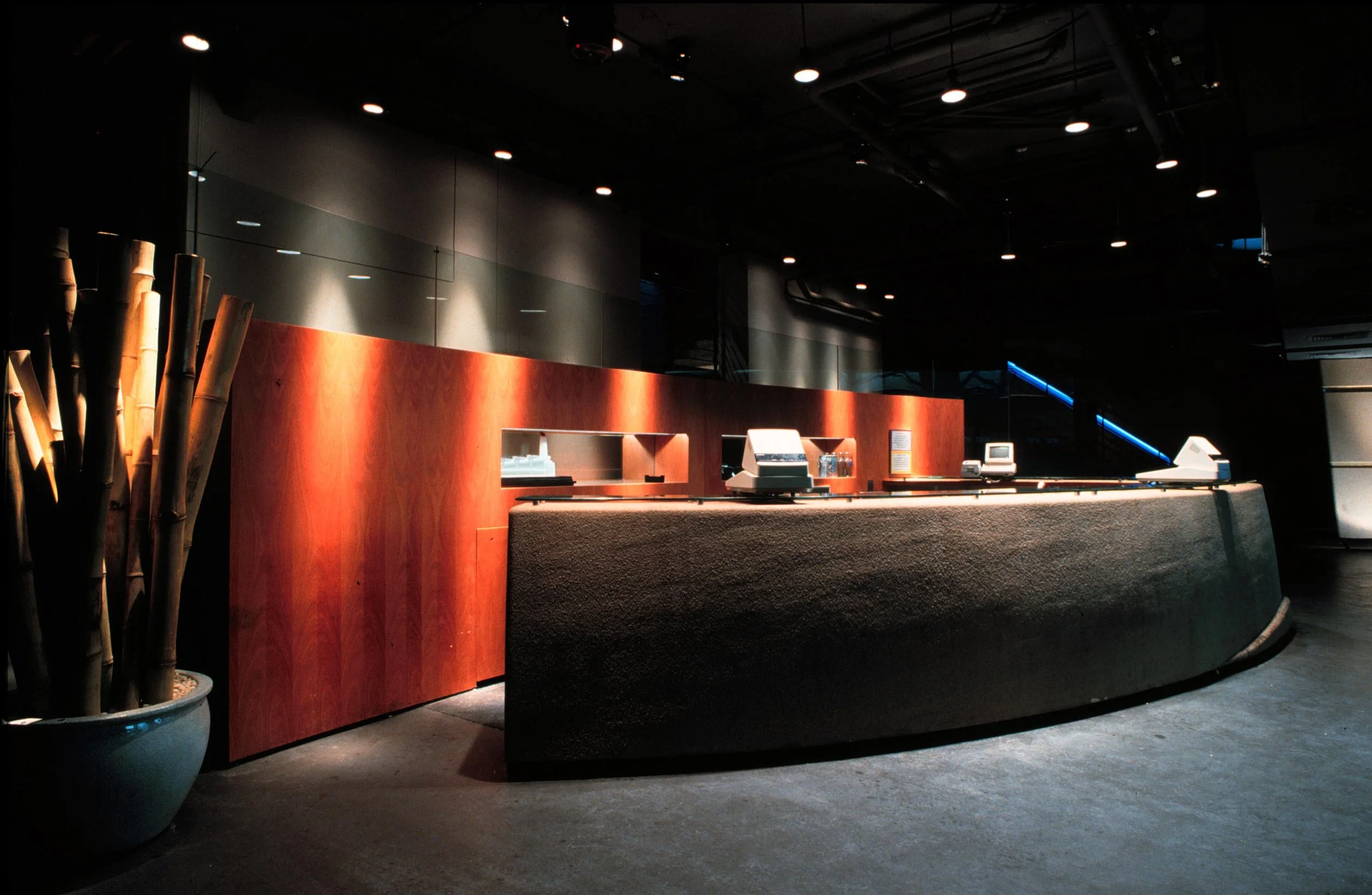
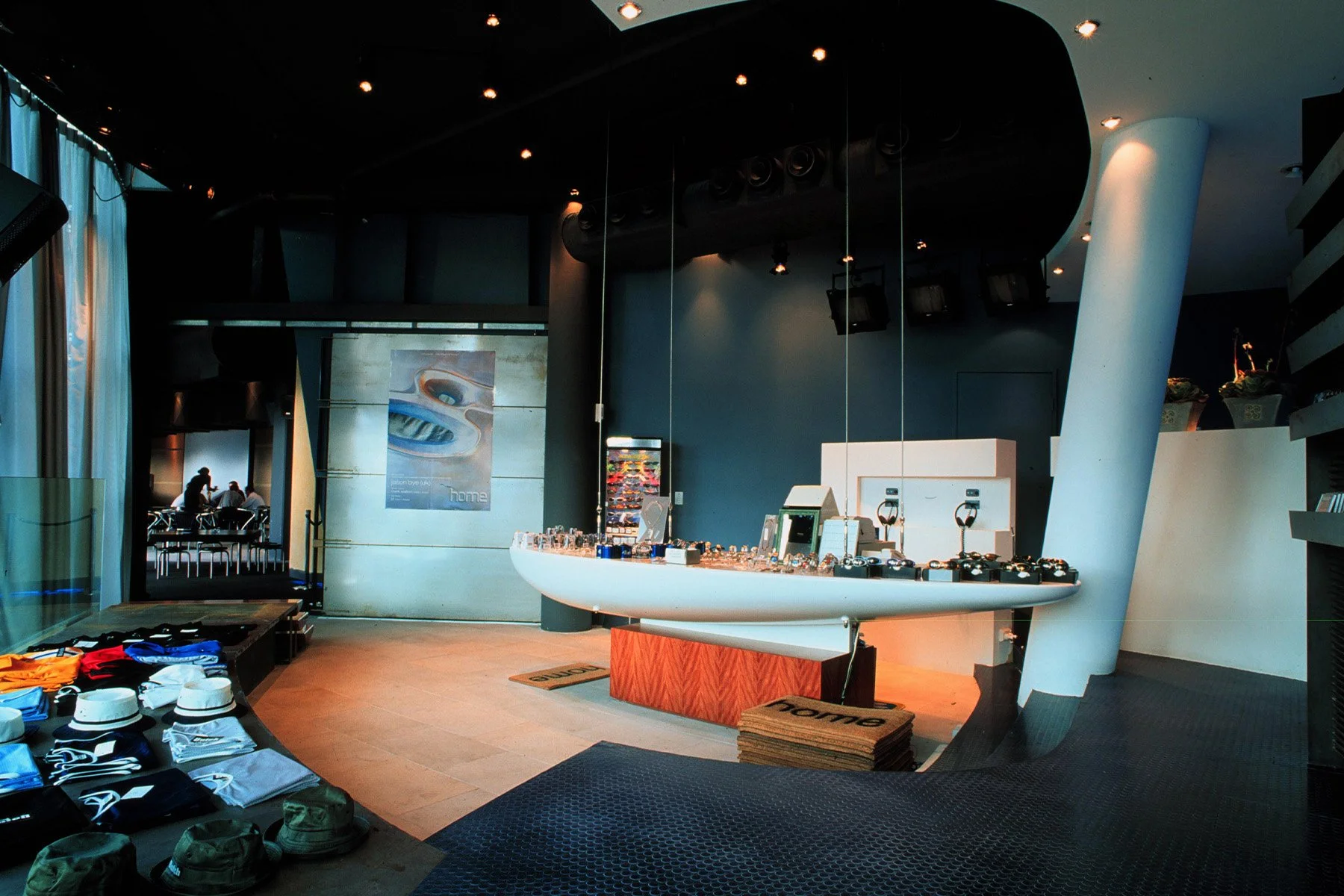
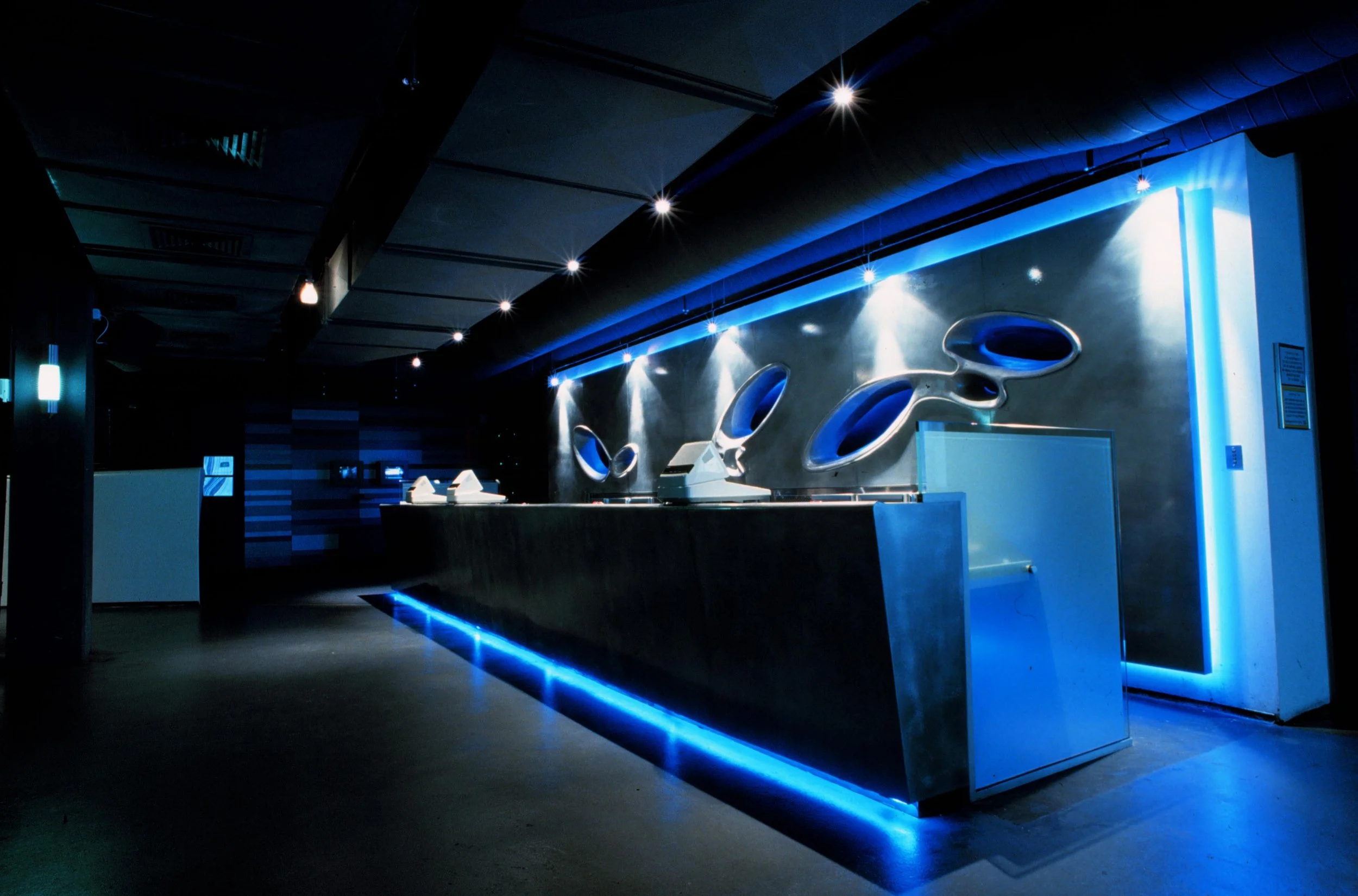
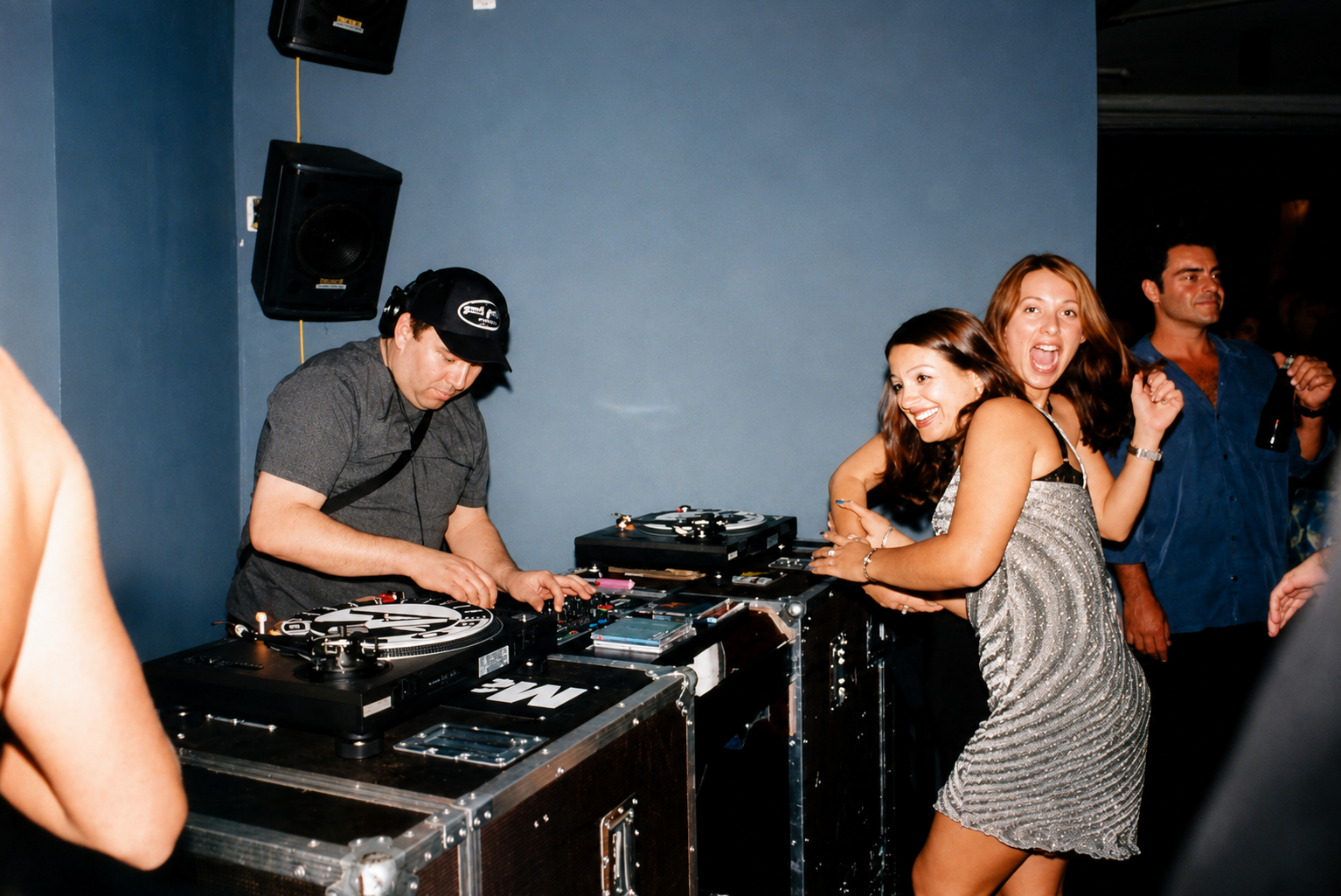
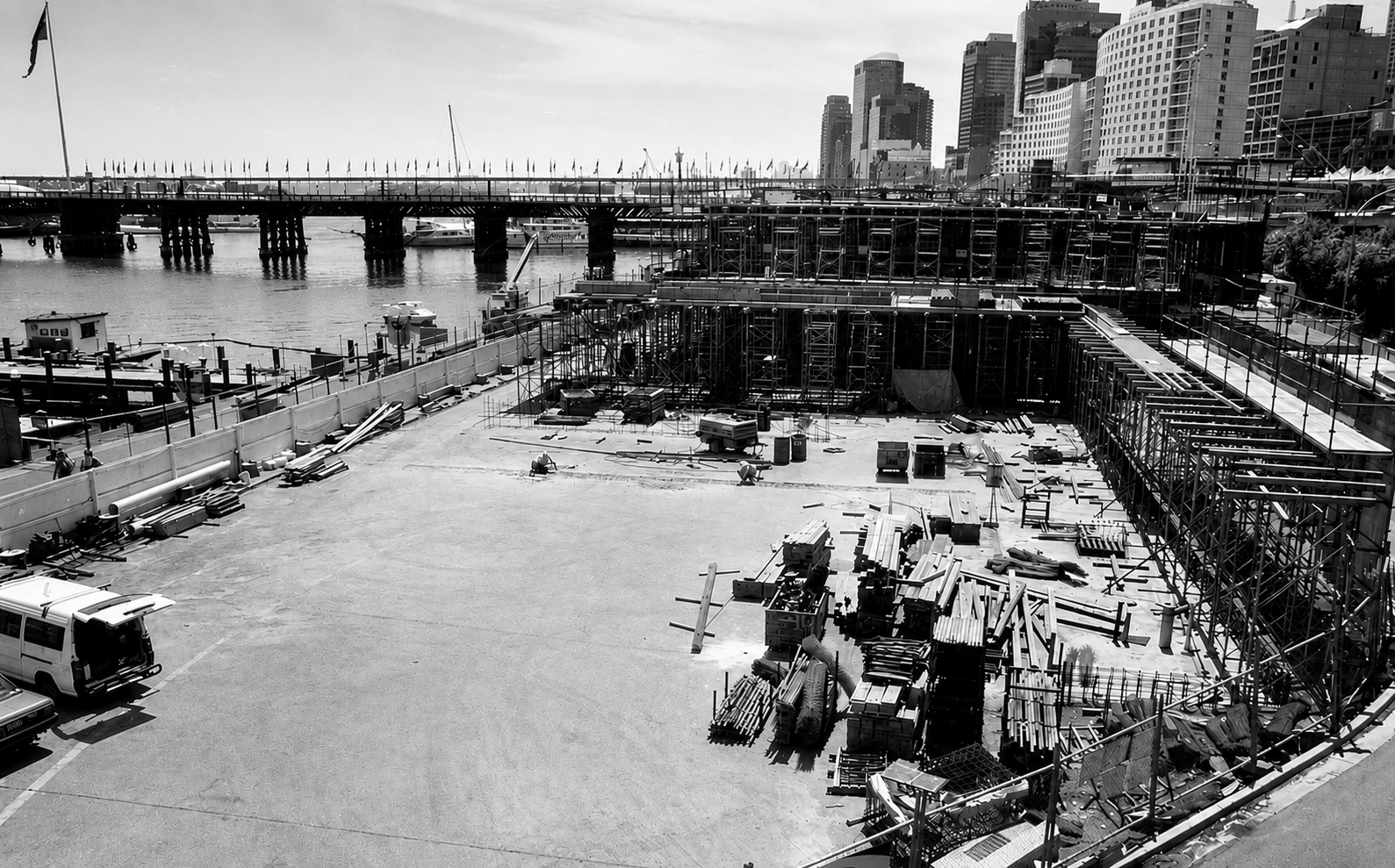
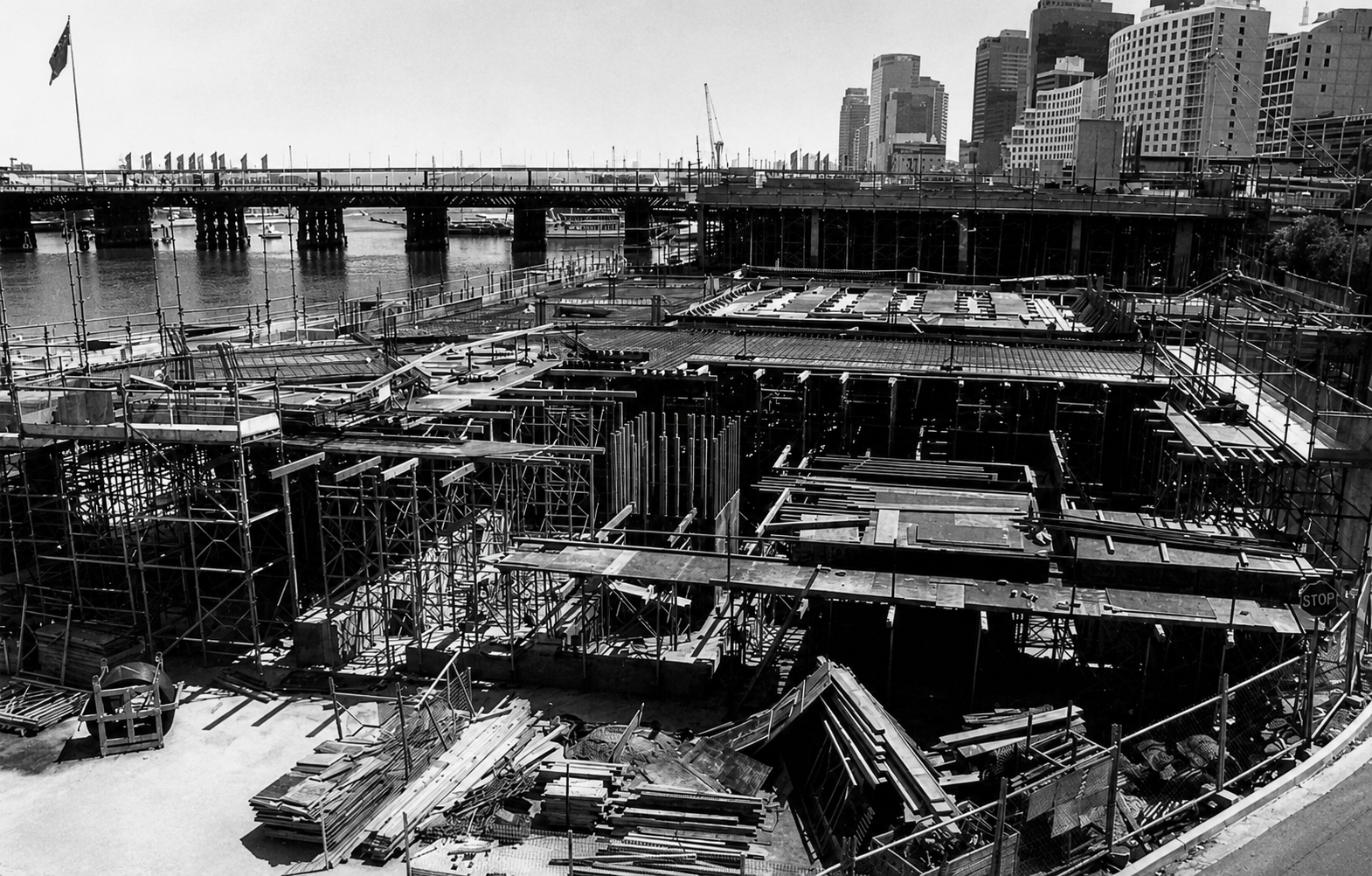
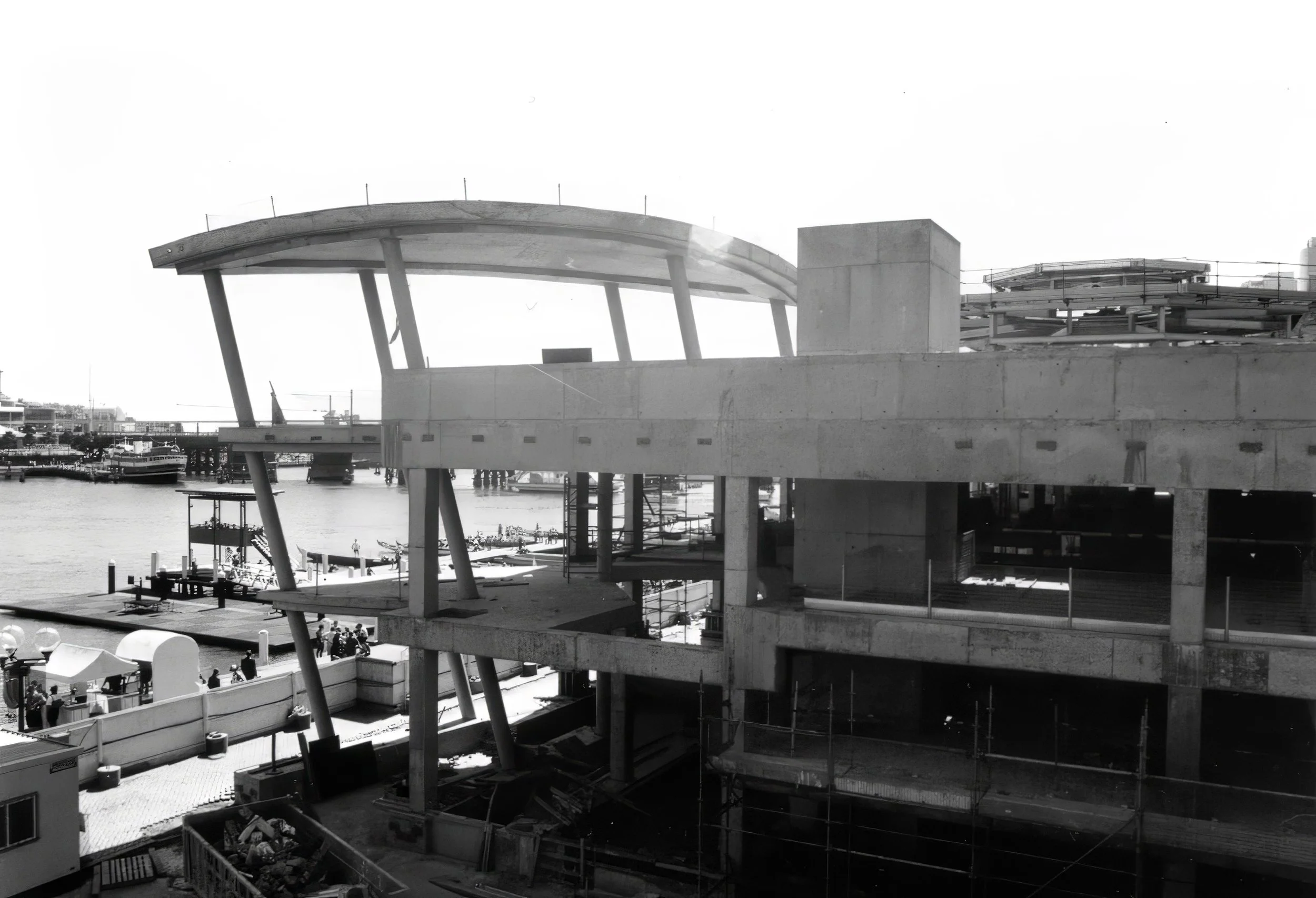
Construction lasted about 18 months; in those days it was not easy to keep construction progress on track considering the headquarters was in Glasgow, constant communication with weekly updates through faxes and digital pictures (at the time Sony released the first digital camera, Cyber-shot DSC).
To me, one of the most exciting parts of that process was the arrival by air freight on 20 October 1998 of the sound system from PDS/Phazon in New York, custom built by legendary audio engineer Steve Dash, responsible for designing the iconic sound systems at nightclubs like NYC's Twilo. It took nine days to clear customs before a container delivered the equipment from BAX Global's Mascot depot to Cockle Bay Wharf on 29 October, and a couple of weeks out from launch, Steve Dash and Brian Wilson travelled to Sydney to assemble, rig and fine-tune the system.
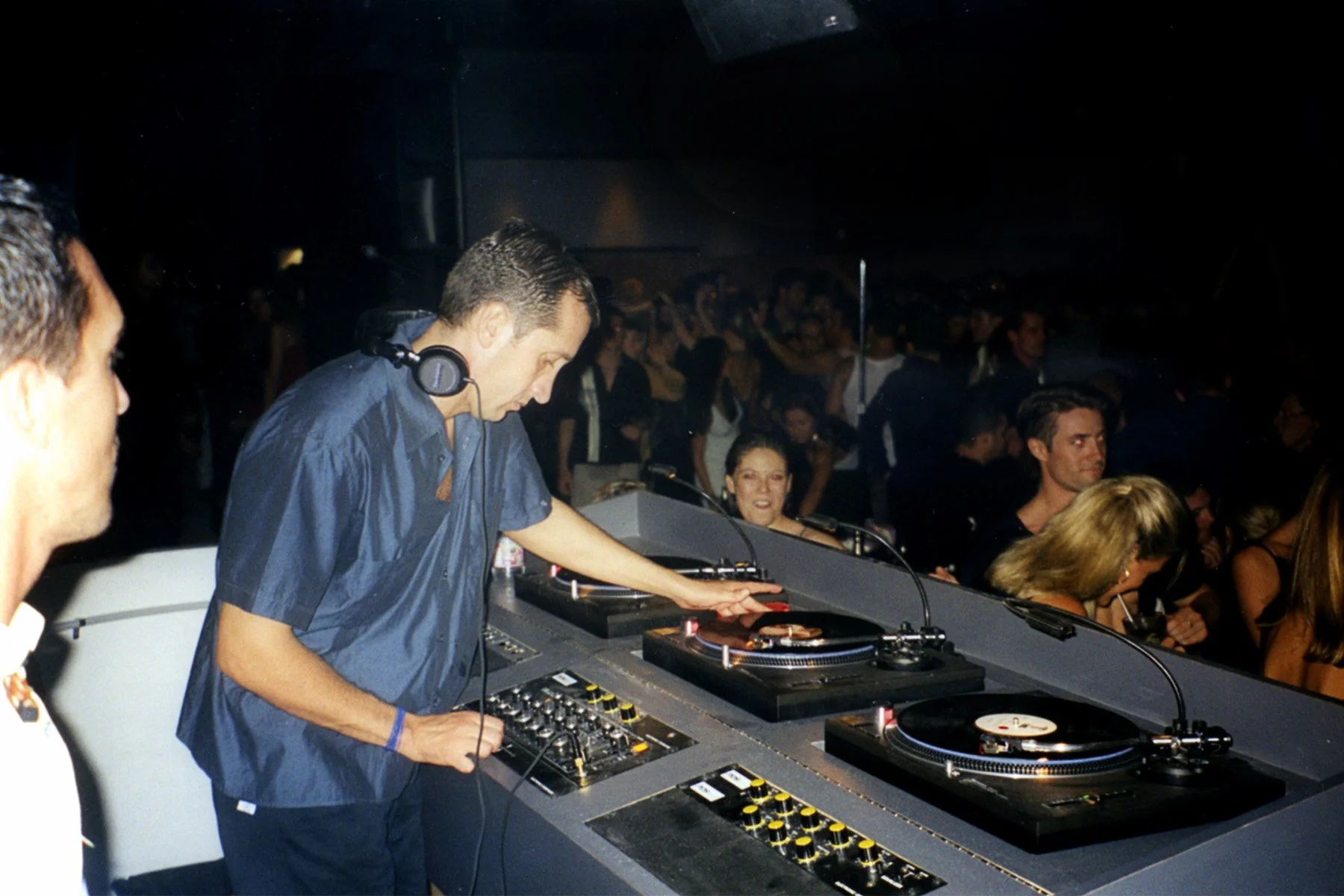
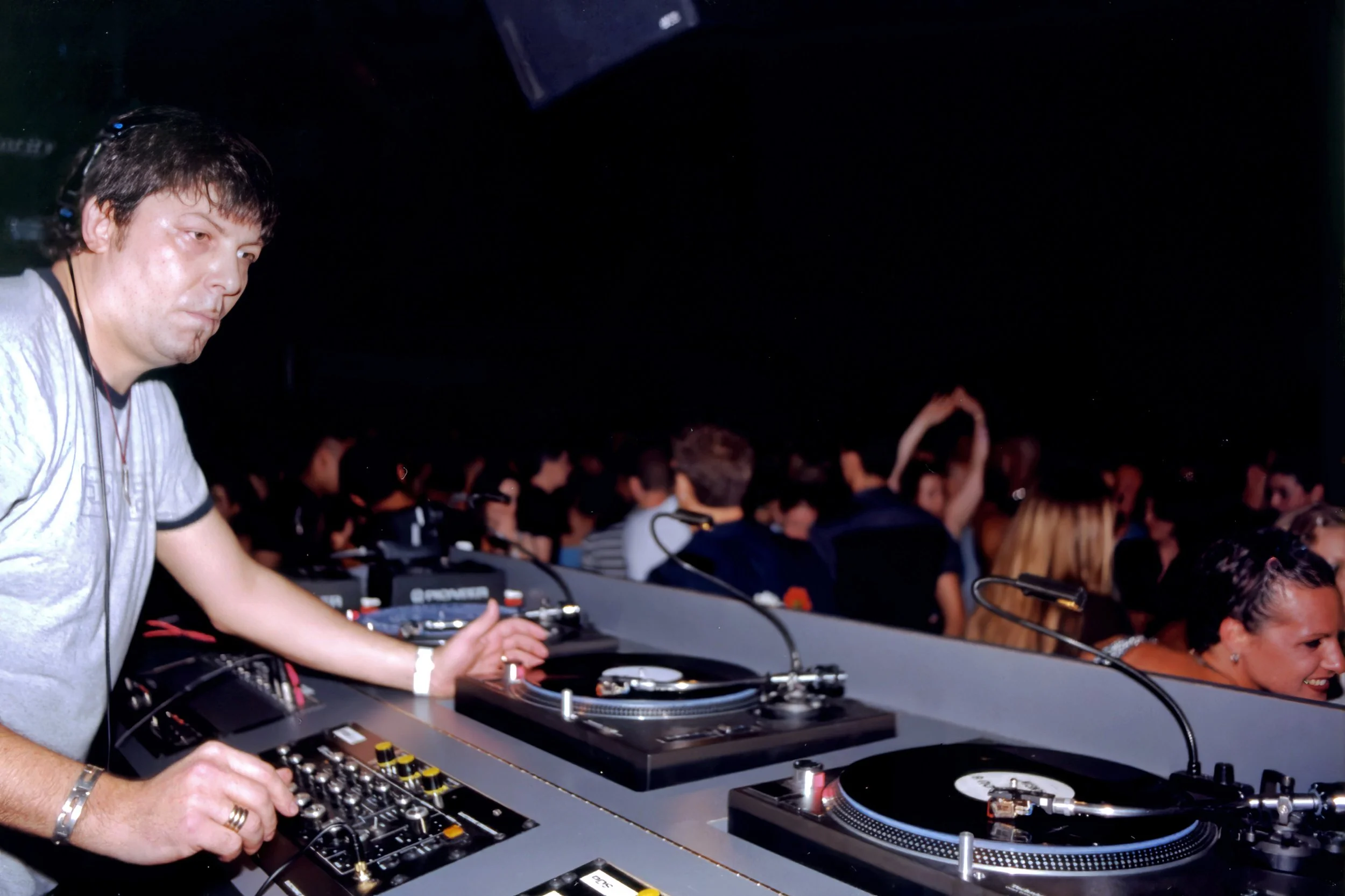
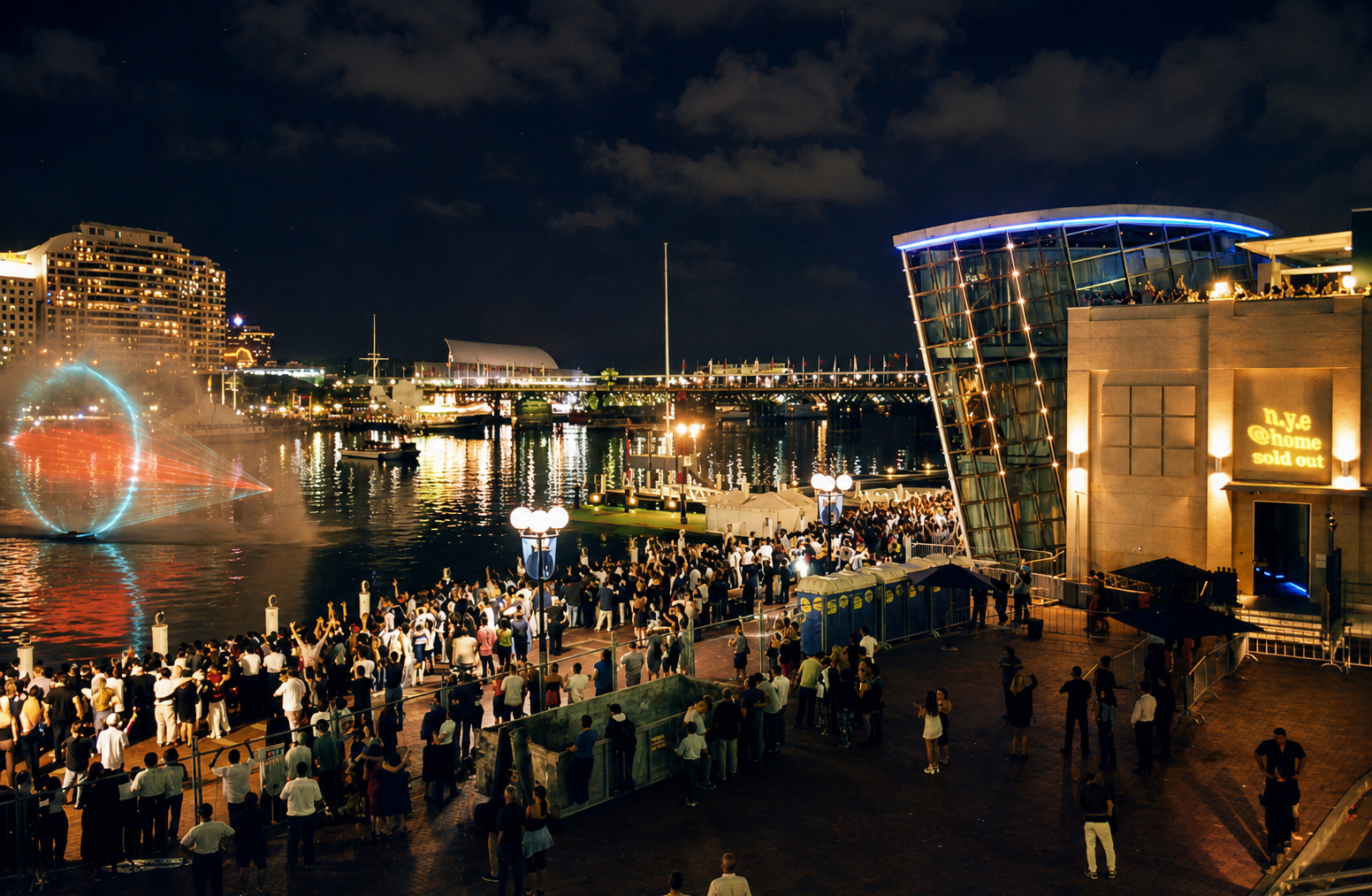
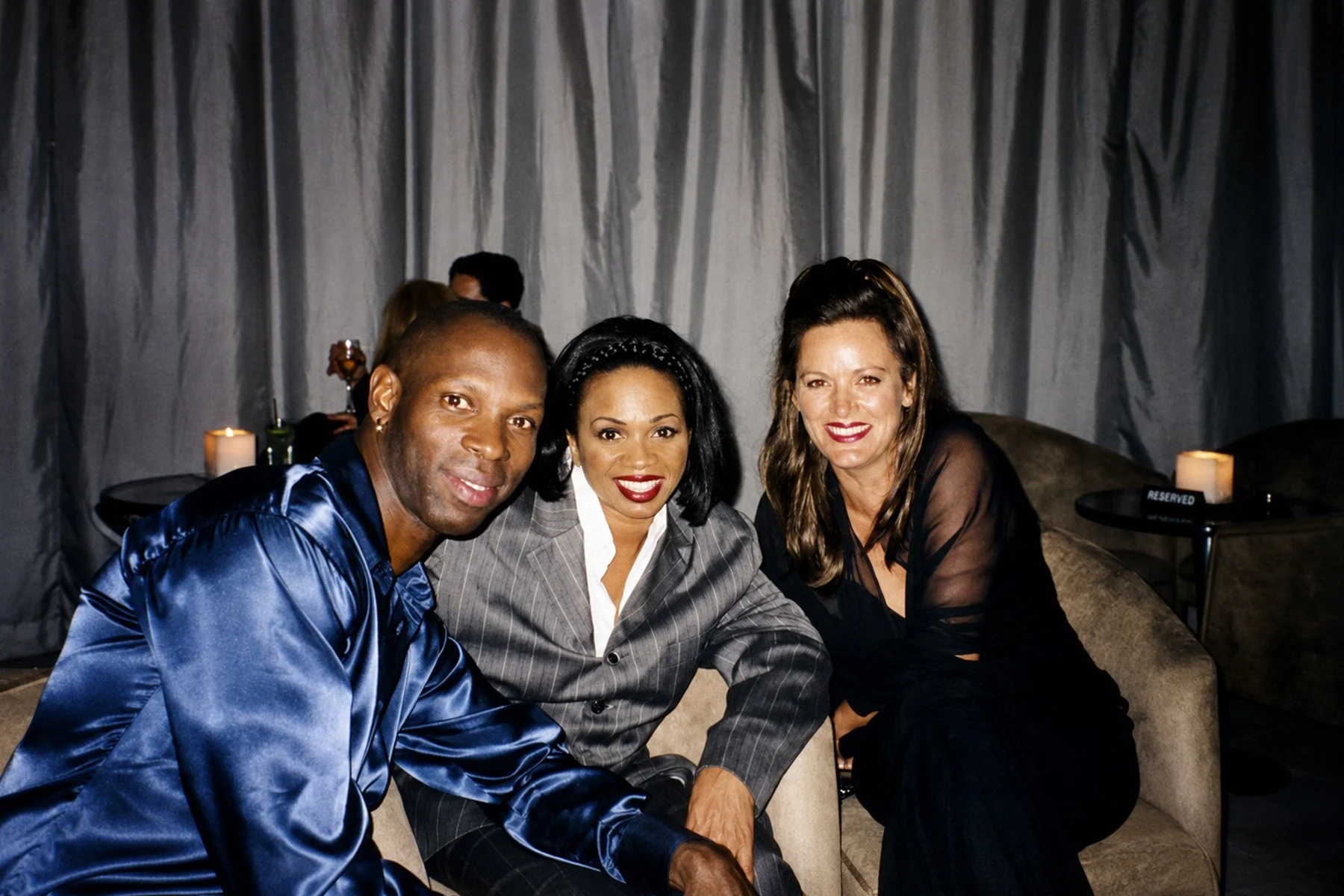
For the Sydney launch, Simon Lock of Spin Communications ran the PR, a campaign that leaned heavily on his fashion-industry network, blending international club culture with high-society glamour, built around media strategy and a celebrity guest list, while the advertising campaign was curated by Siimon Reynolds of Love Communication.
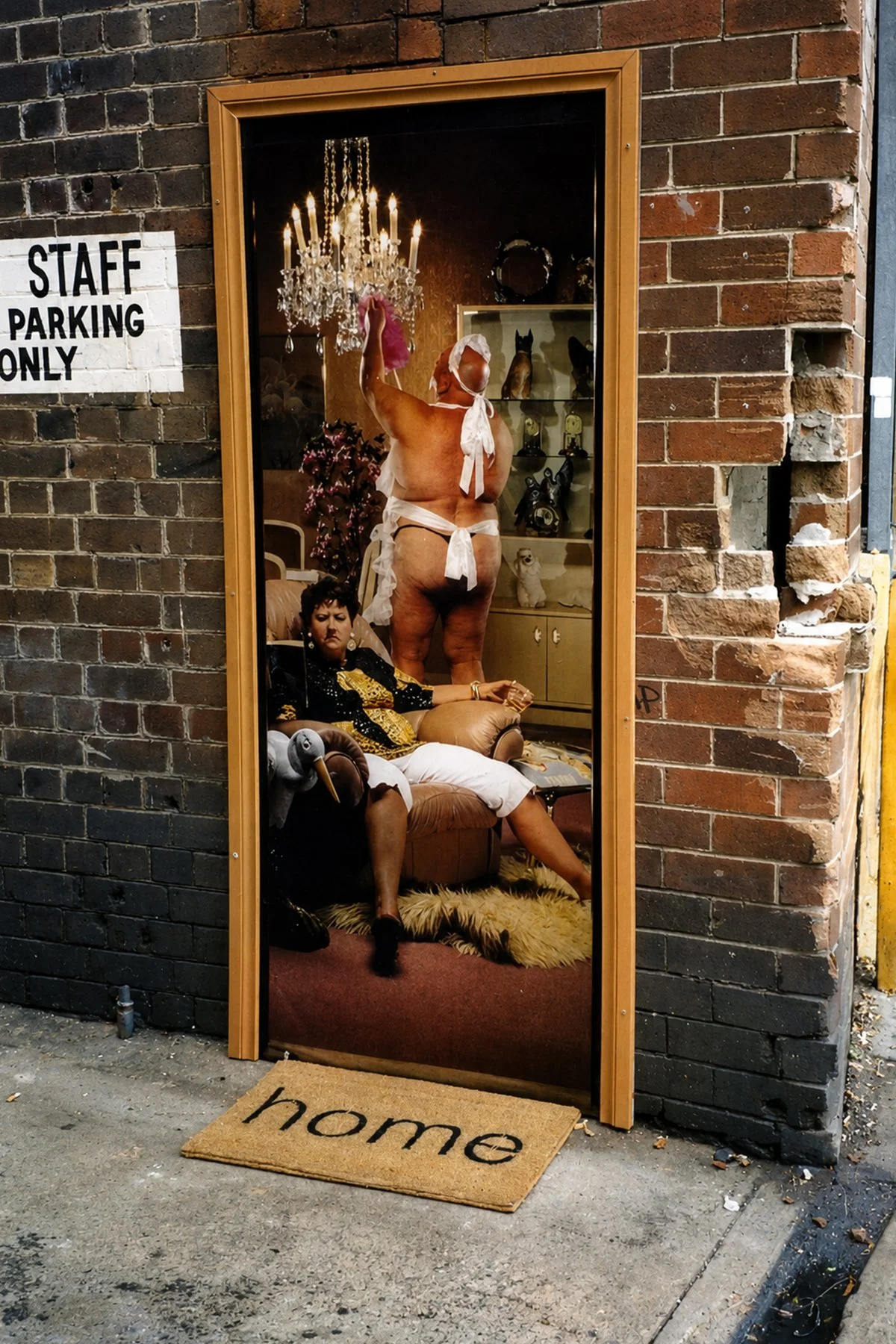
Rather than flyers or DJ posters, Love Communication ran a six-week guerrilla rollout under the line "There's No Place Like Home," a tagline that stuck around for a couple of years after: doormats and door frames stamped simply "home" appeared overnight at entries and walkways across different Sydney suburbs, and the city was soon talking. Weeks three to five brought true scale glass-walled room cubes, each one built to look like someone's home caught mid unusual behaviour, a man in a full rabbit suit doing chores, someone ironing nude, a woman soaking in an overflowing bath at eight in the morning with a brick phone and champagne, a man cleaning the house in a skirt, another raiding the fridge at midnight.
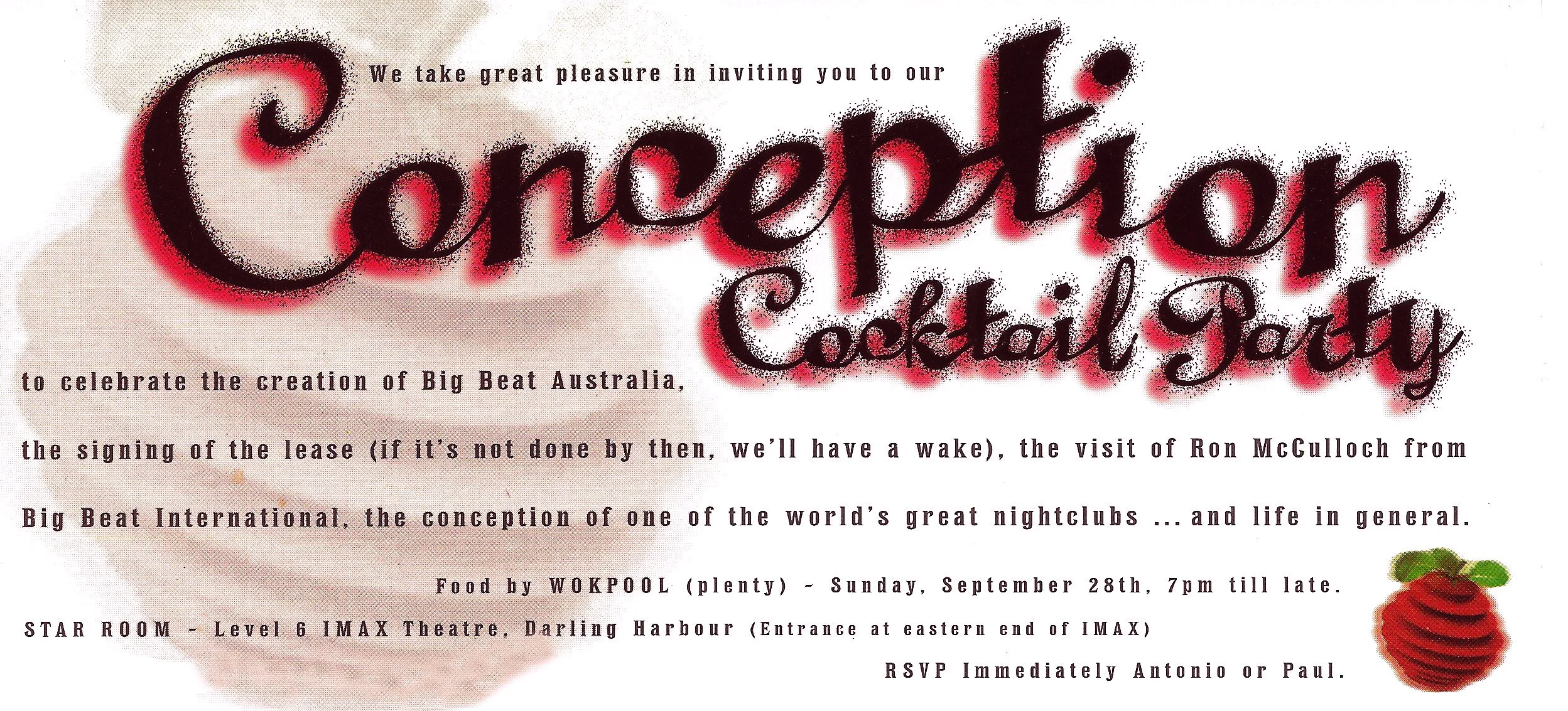
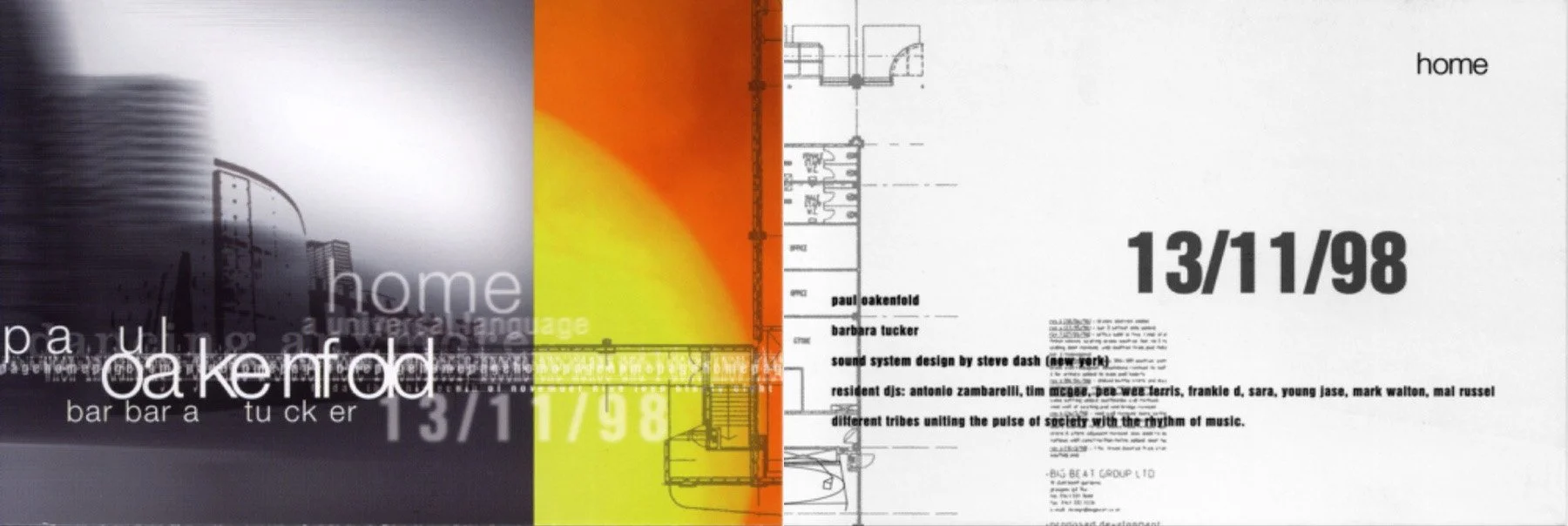
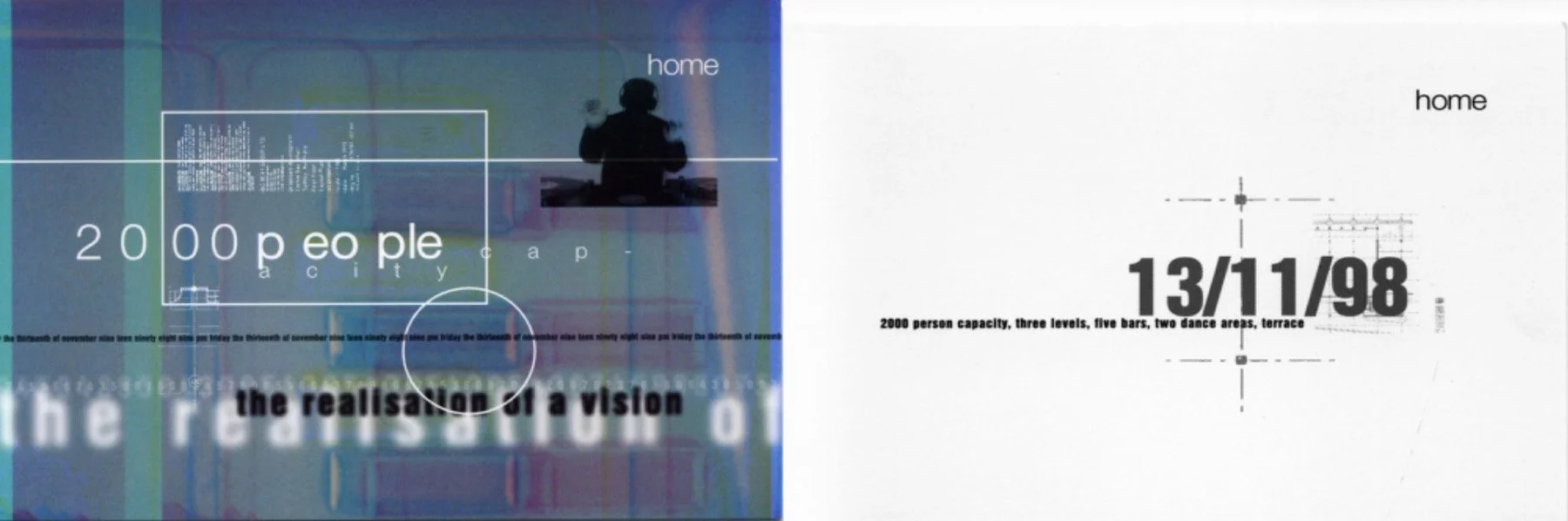
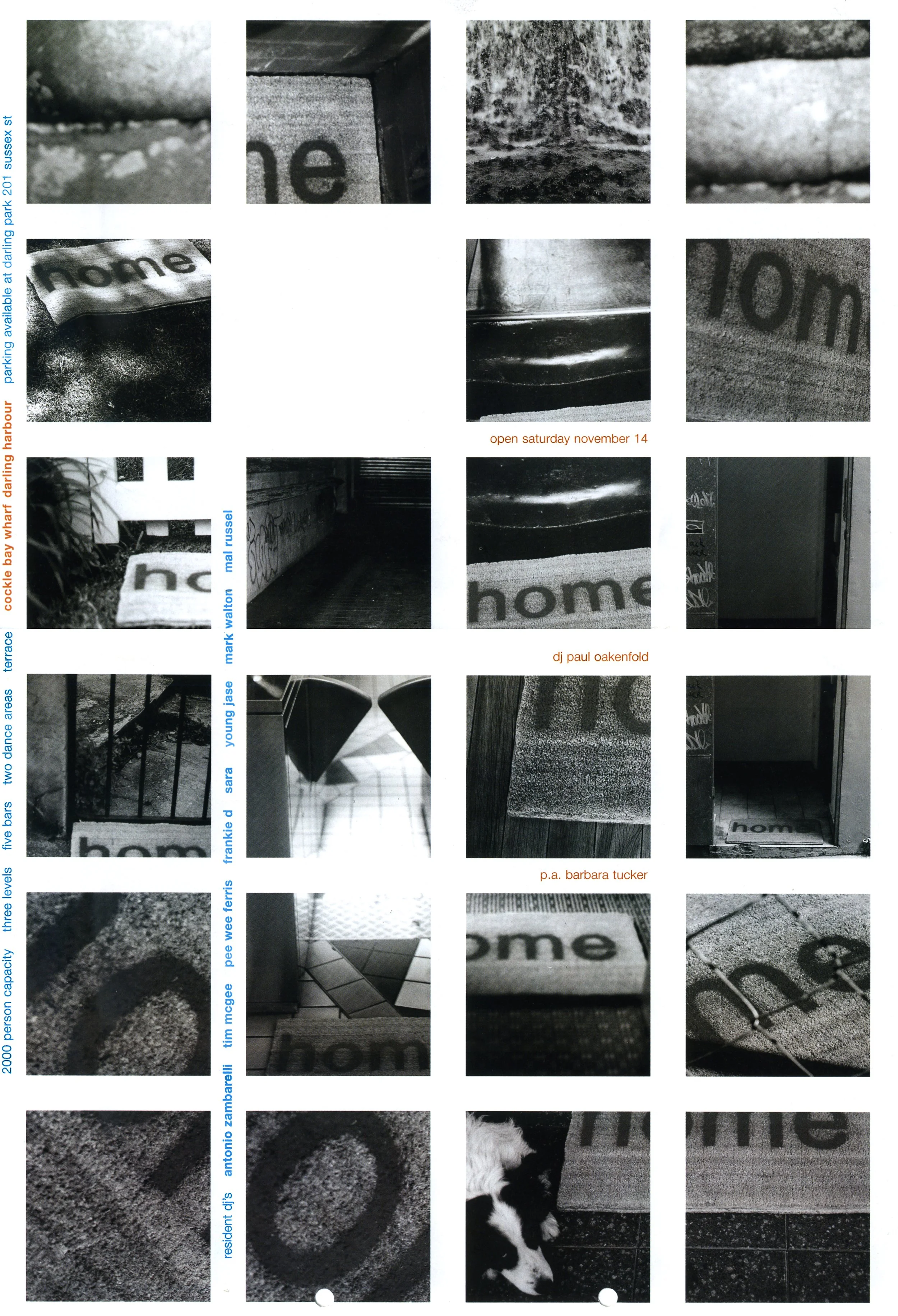
For the opening weekend the entertainment included Paul Oakenfold, Barbara Tucker live, with Antonio Zambarelli, Tim McGee, Peewee Ferris, Frankie D, Sara, Young Jase, Mark Walton and Mal Russell. The sound system was something I had never experienced before. Steve Dash and Brian Wilson worked together with Matthew Kline from AV Sound and George Strop non-stop to optimise the settings. On the opening night, Thursday, we ran the system at 60%; on Friday it went up to 70%; then at 11:00pm Steve was comfortable with the setting and we turned the system up to 90%.
The amp room was on the second level, above and not far from the DJ booth, the less cable ran from the amp room, the better it was to maintain sound quality. That is one of those indelible moments, I together with the whole dance floor, experienced a wave of sound never felt before, and to this day I can still feel it. I was pushed back an inch in an unusual, warm way.
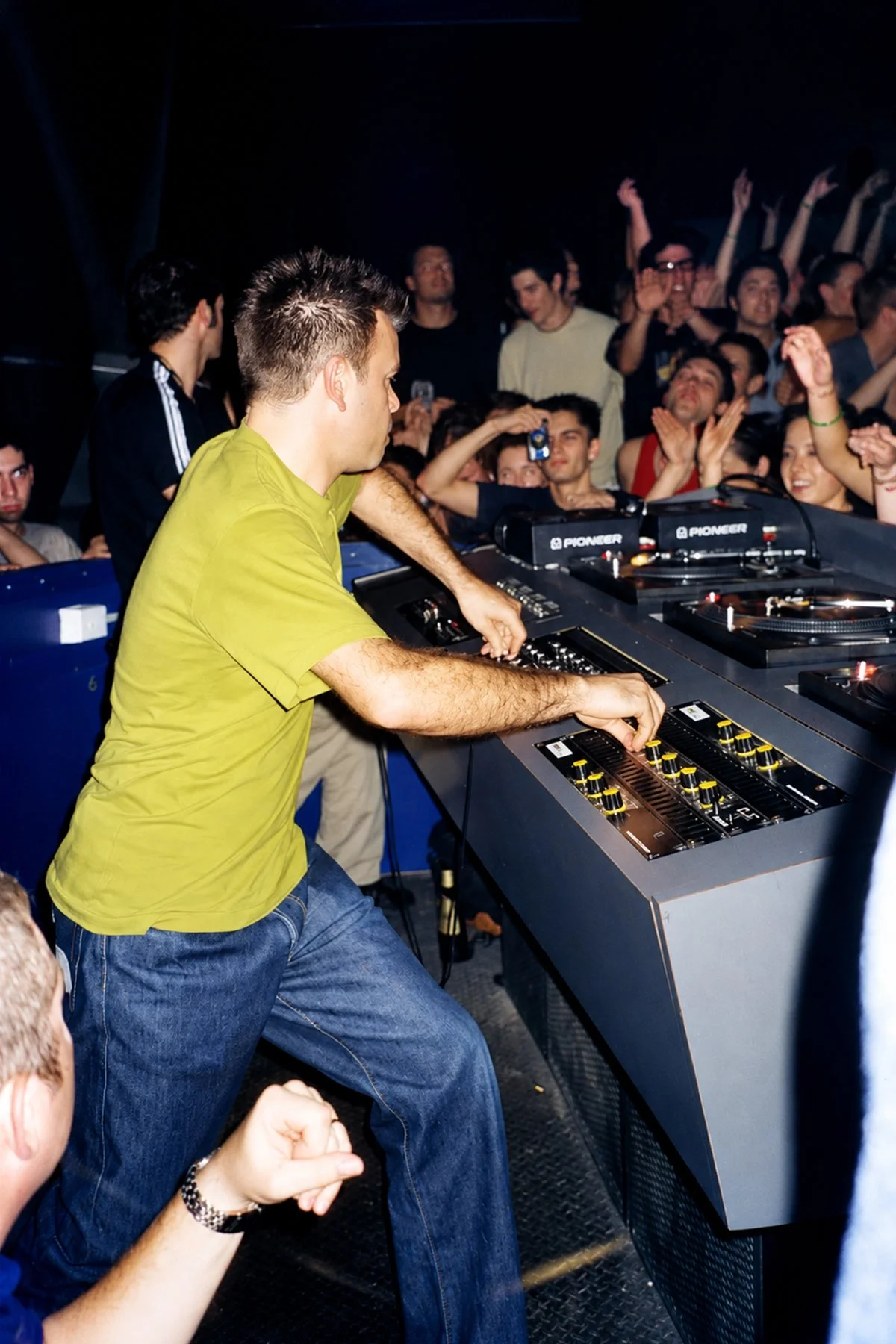
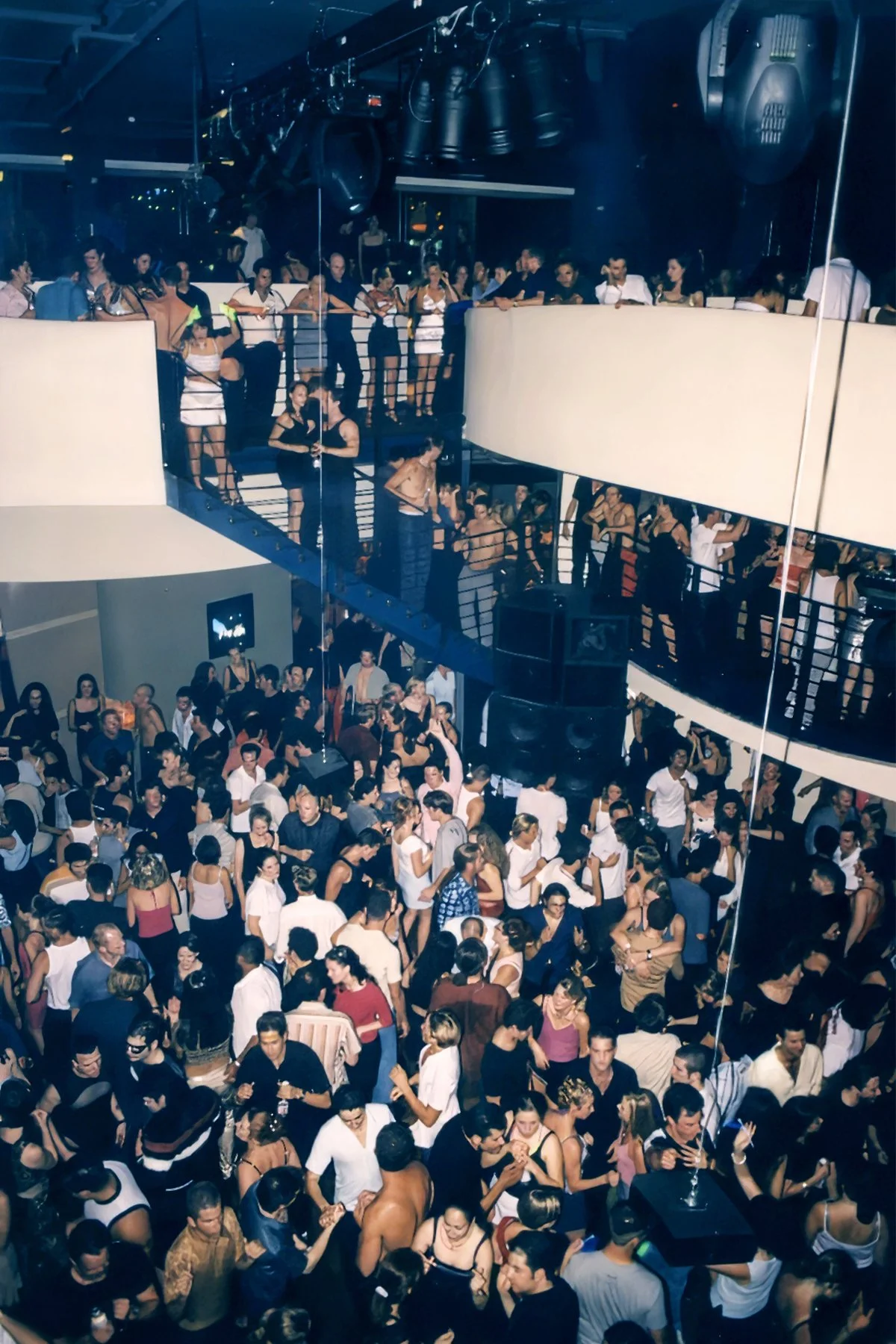
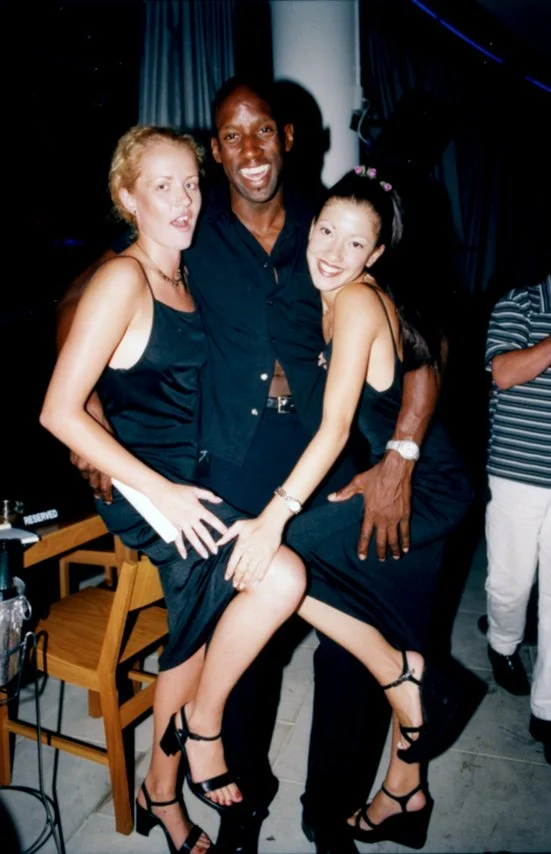
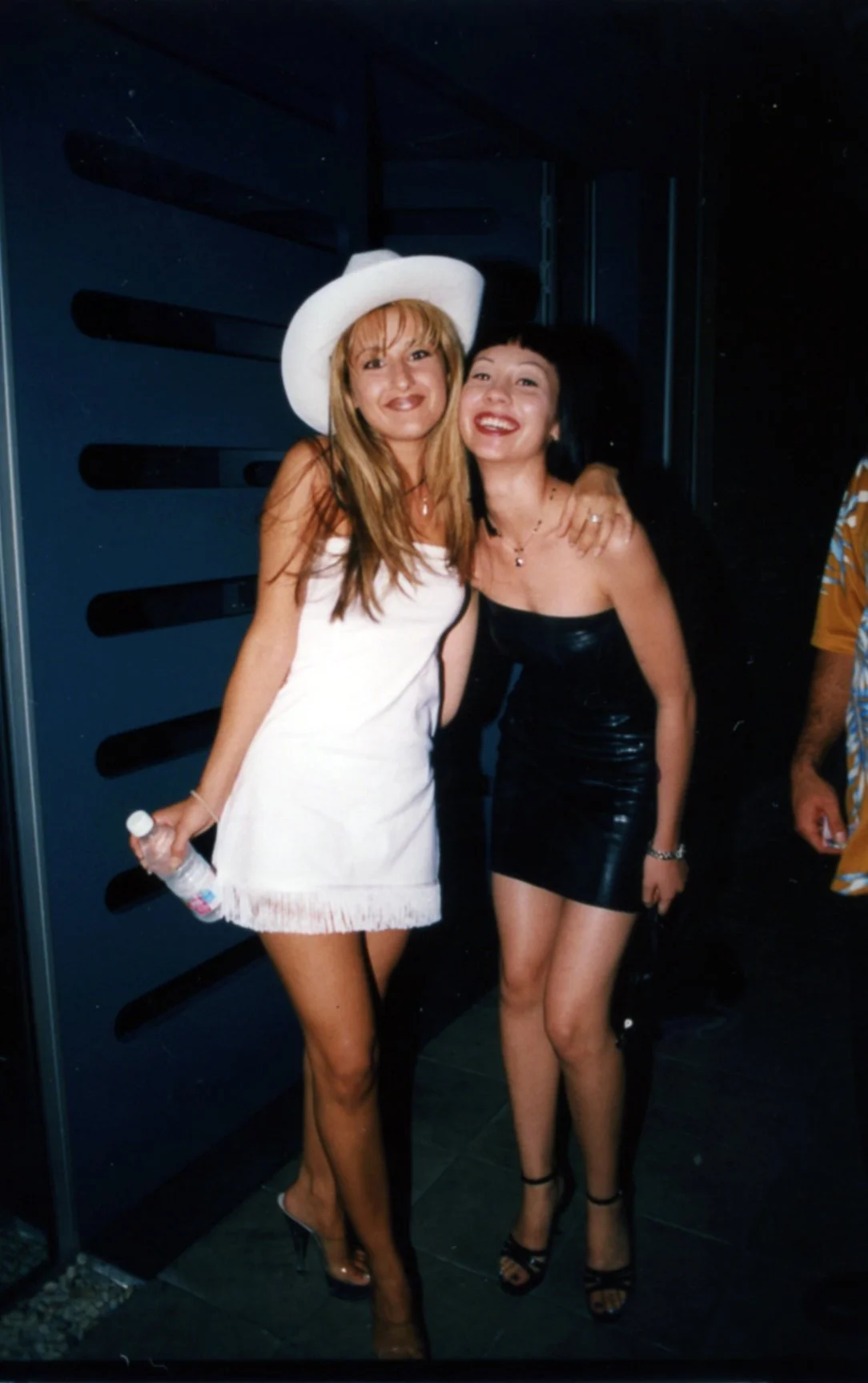
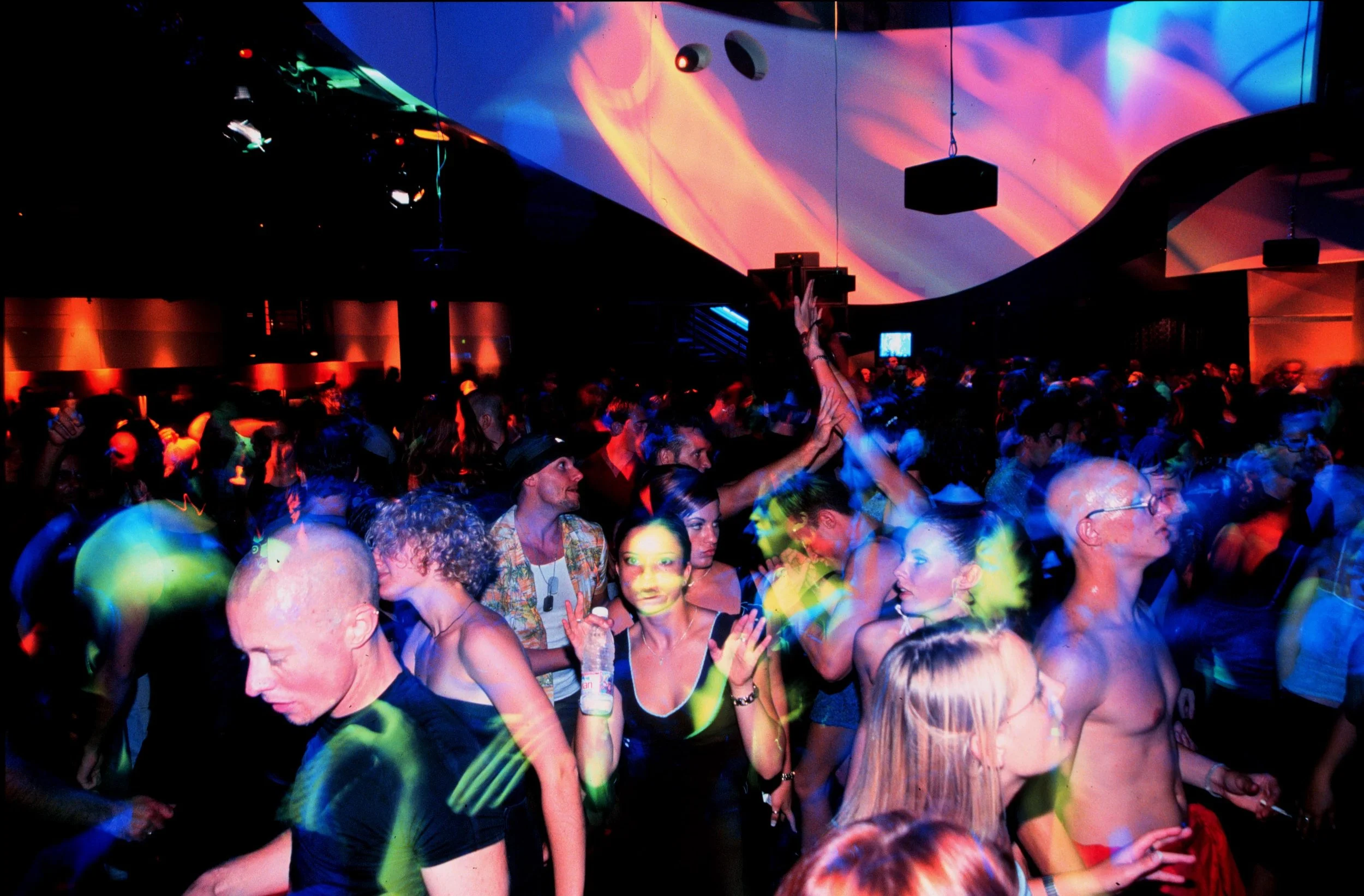
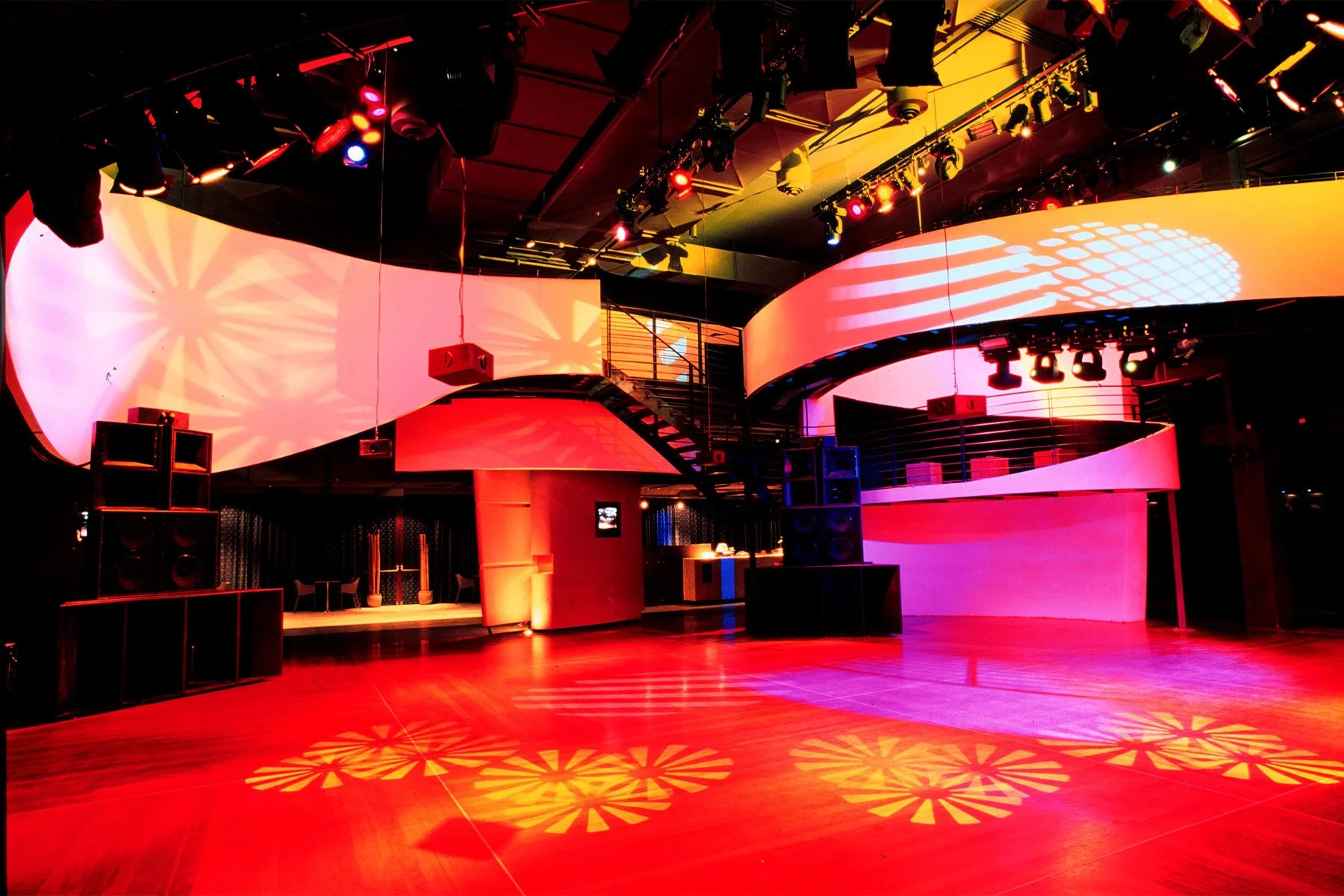
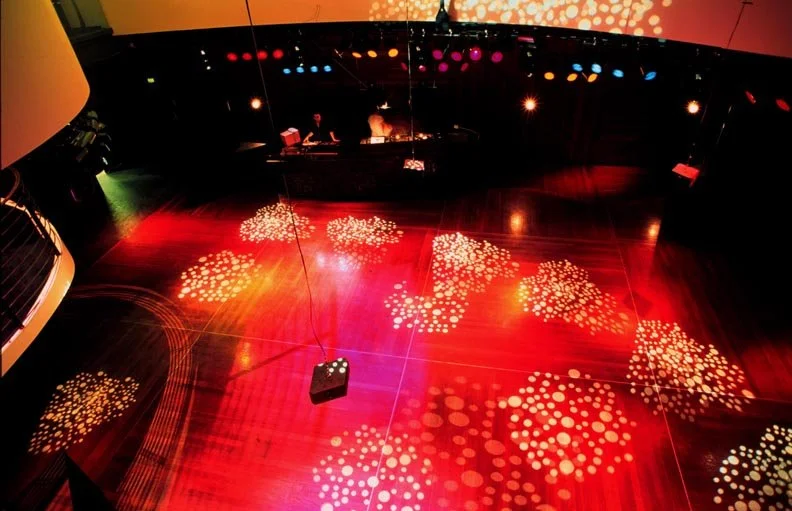
When it opened, HOME was easily Sydney's largest club, spread across three levels and licensed for 2,000 people, from the Main Auditorium's ten-metre ceilings down to the low, padded confines of the Silver Room, nicknamed "the asylum" by the crowd who loved it.
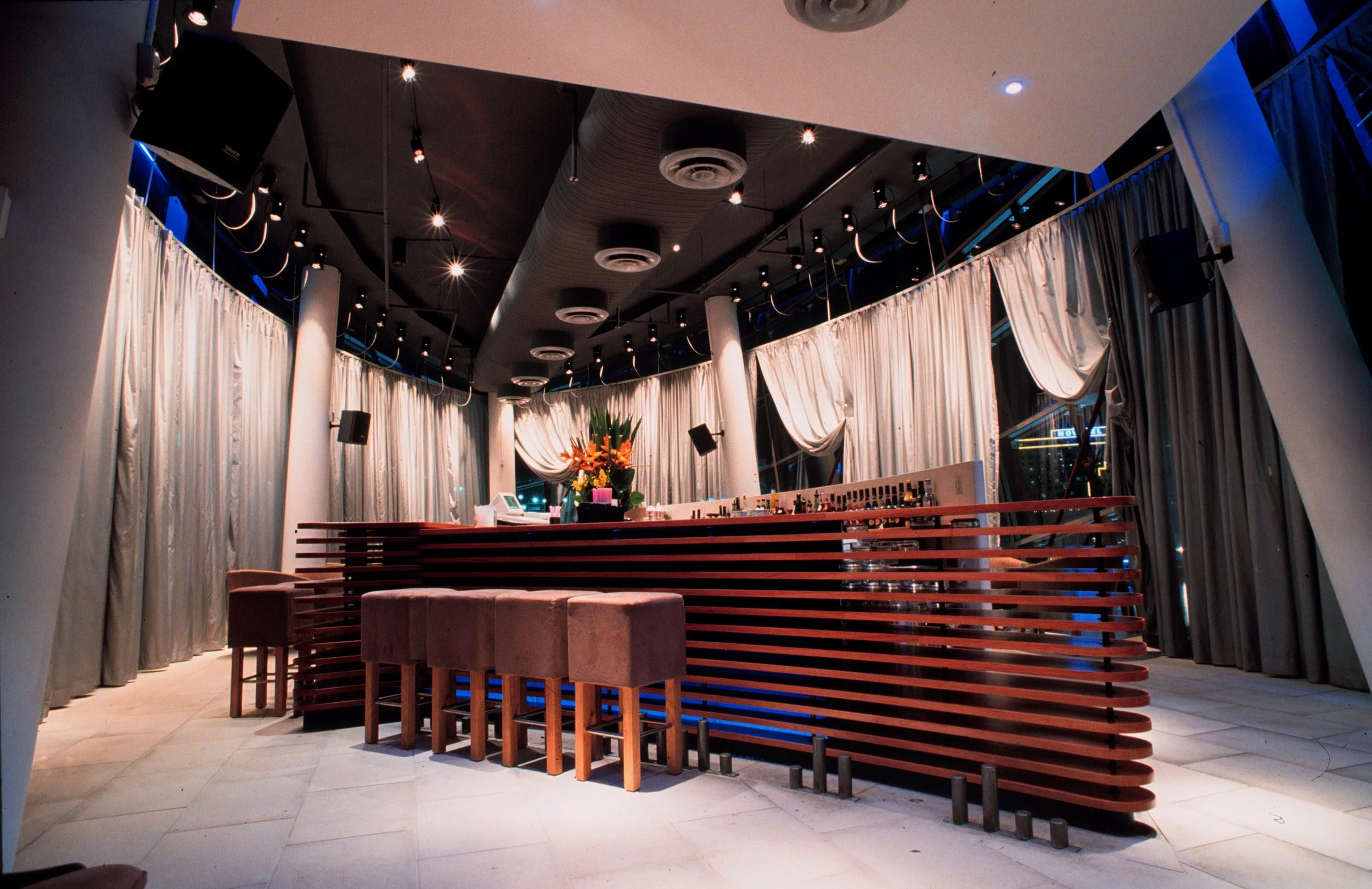
It featured four distinct rooms, each with its own dance floor and dedicated DJ booth engineered for a different sub-genre of electronic music, running simultaneously without the sound clashing, the main floor carried the primary booth and the big local and international house headliners, while three smaller rooms ran their own line-ups alongside it, meaning as many as sixteen DJs could play across the venue in a single night. One of those spaces doubled as homebar by day, operating as a restaurant and cocktail bar in pre-club mode from 4pm.
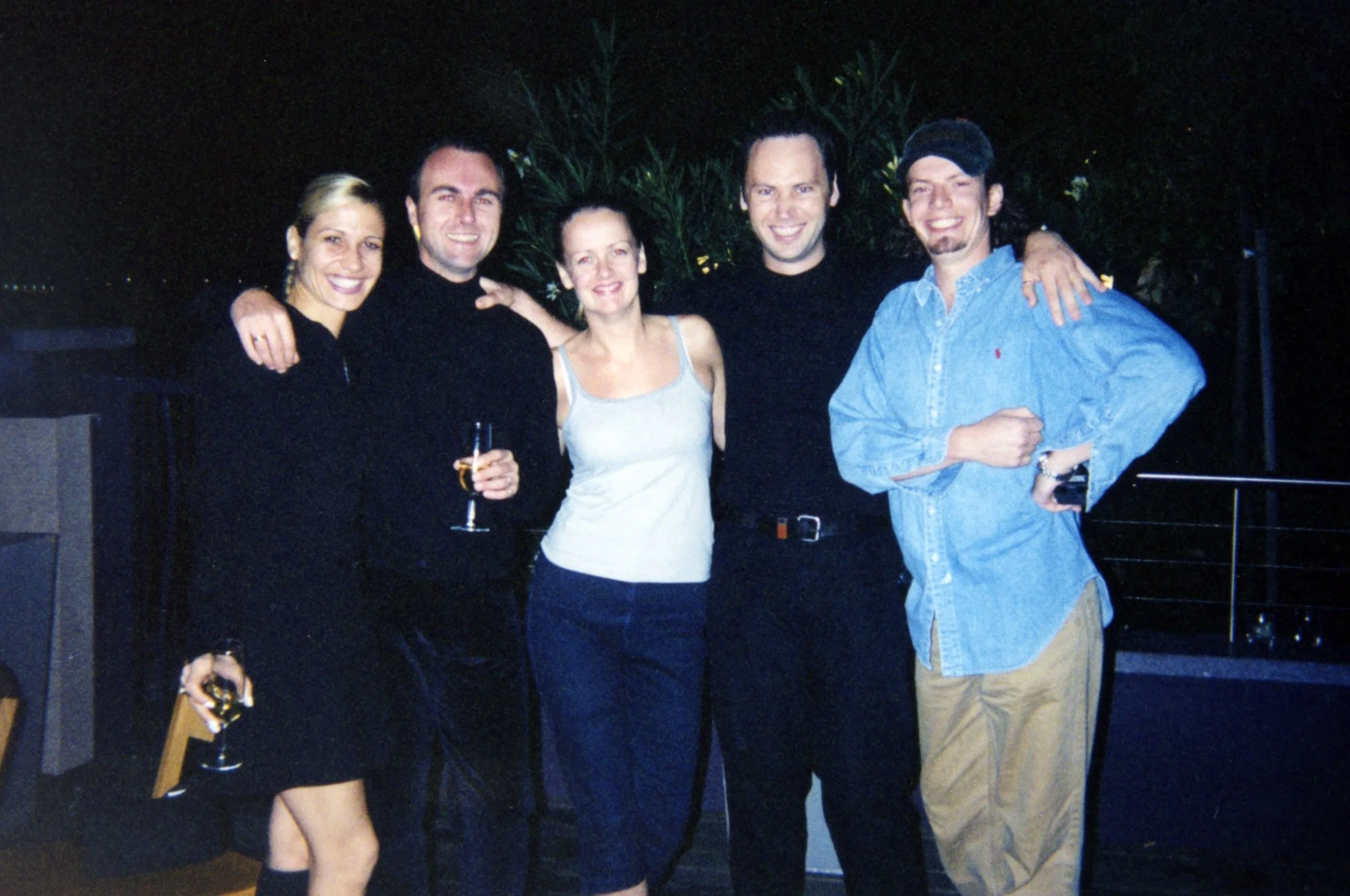
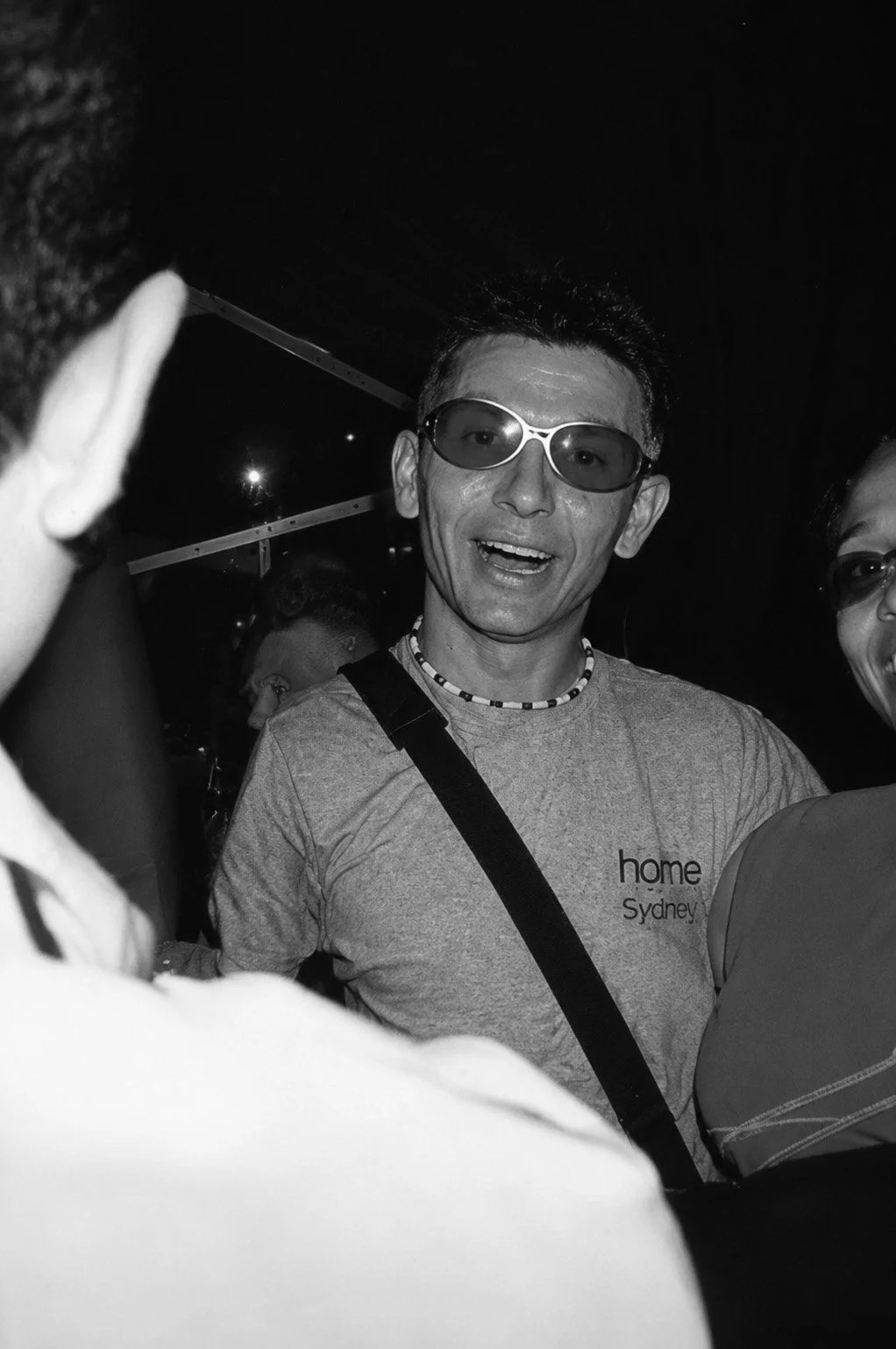
HOME Sydney was part of the UK backed Big Beat International chain, and we had a direct pipeline to the world's most elite touring talent, particularly from the UK, Europe and New York. In the first year we hosted an absolute powerhouse of global talent alongside Paul Oakenfold, Roger Sanchez, Claudio Coccoluto, Nick Warren and Ralph Falcon.
Even the toilets had their own personality, three unisex toilets across the venue, including one styled "Alice in Wonderland" and another like a lounge tucked between levels 1 and 3, both with a dedicated attendant, and one on level 3 plus a standing only toilet just for men on the ground level.
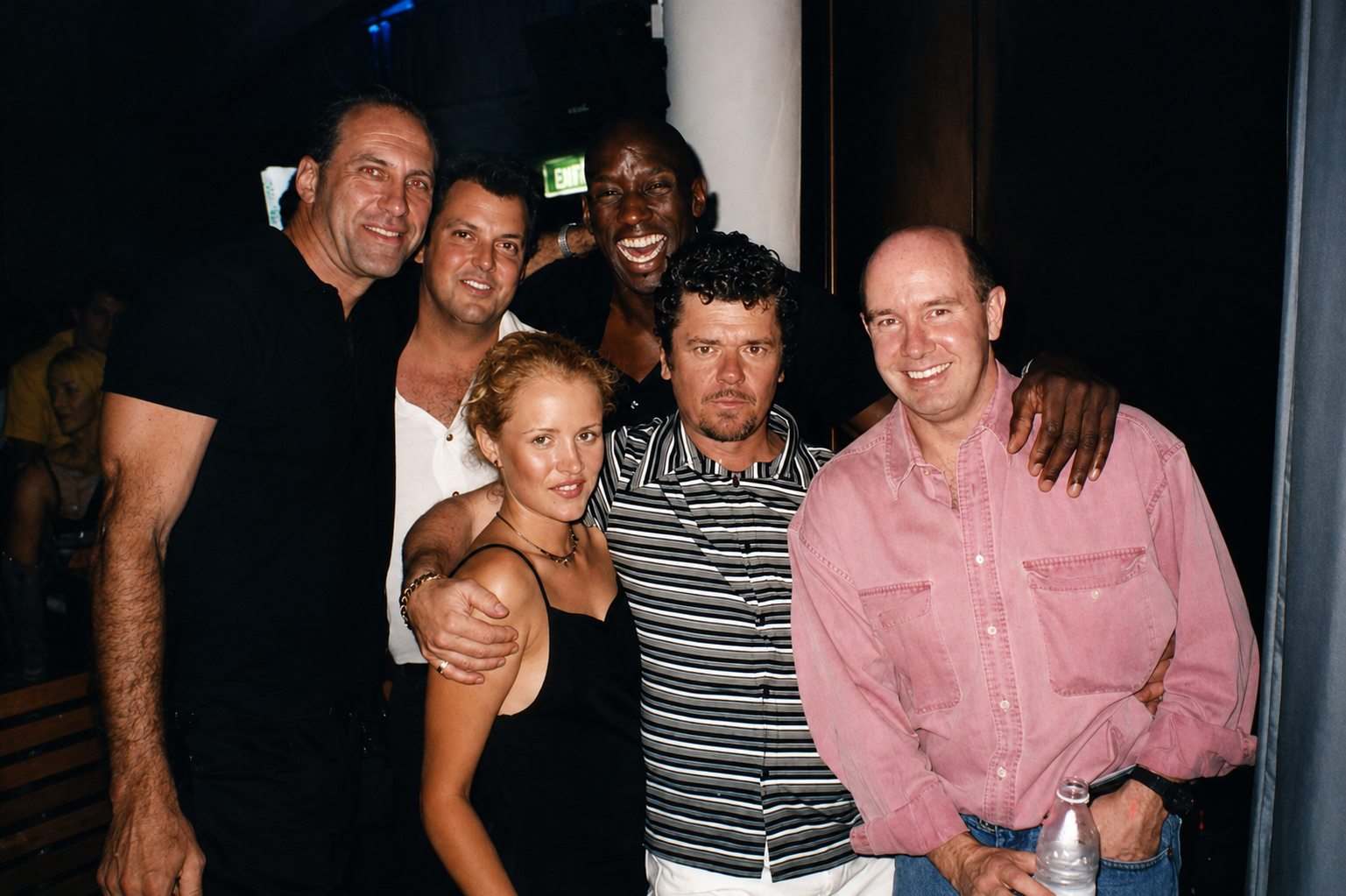
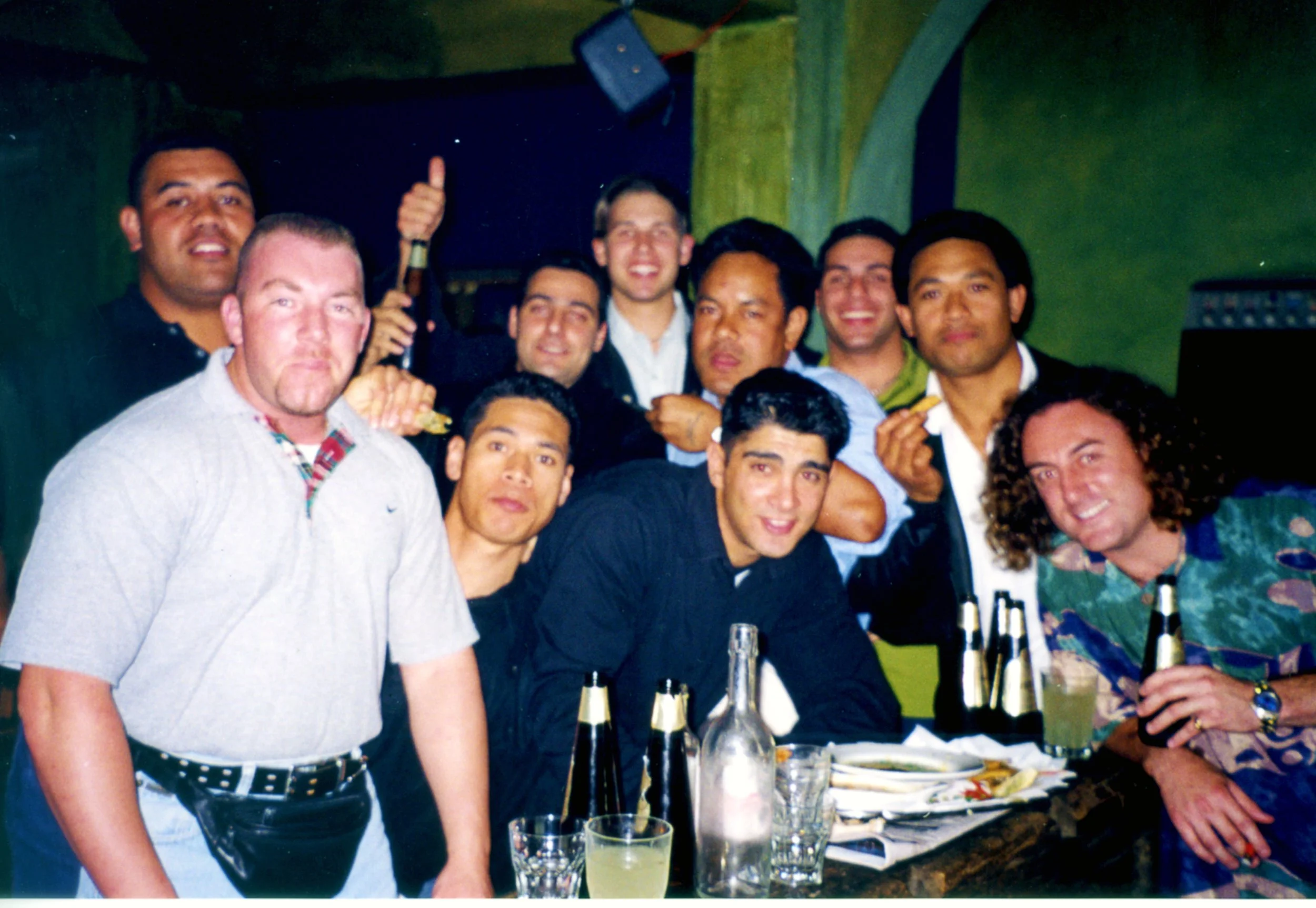
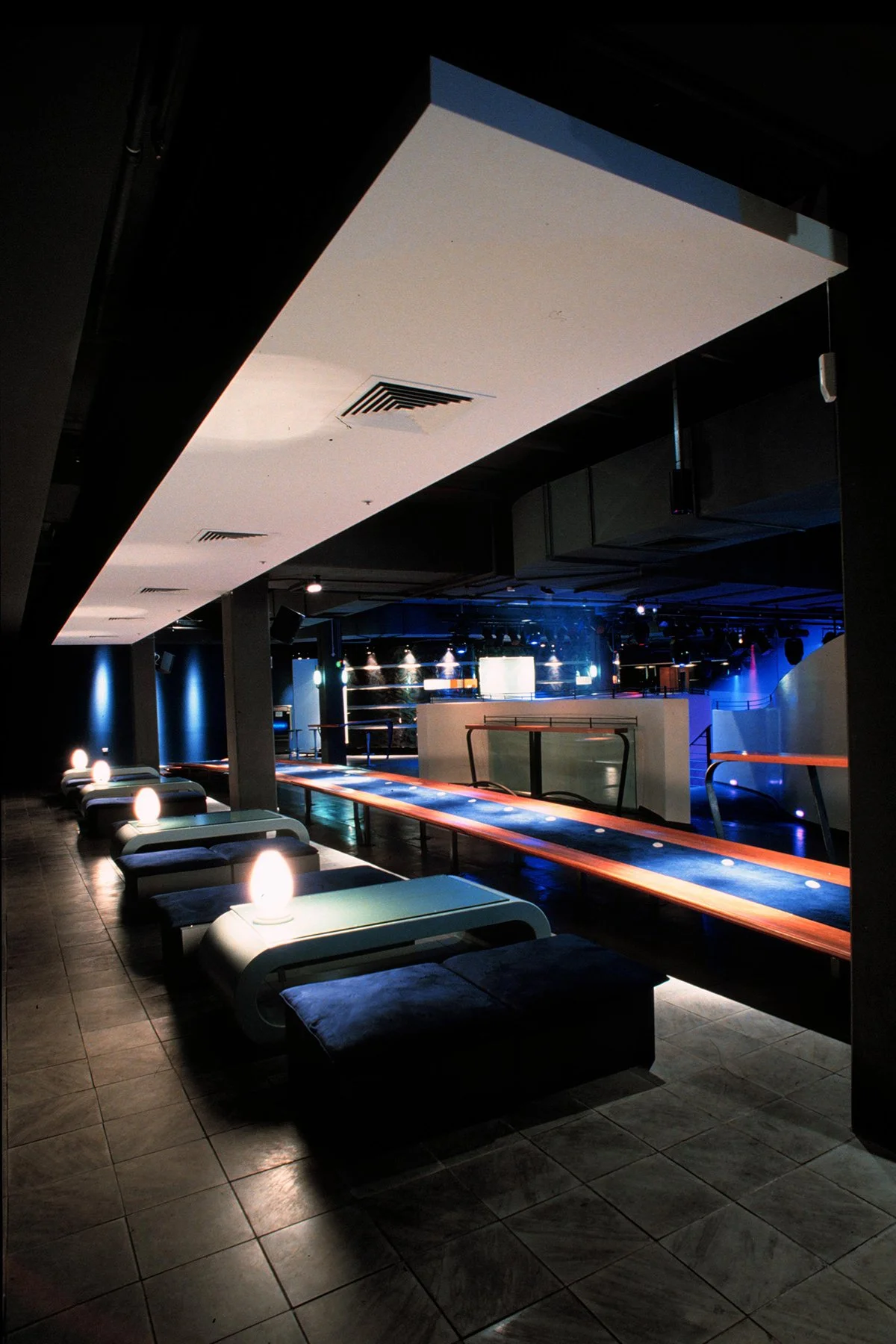
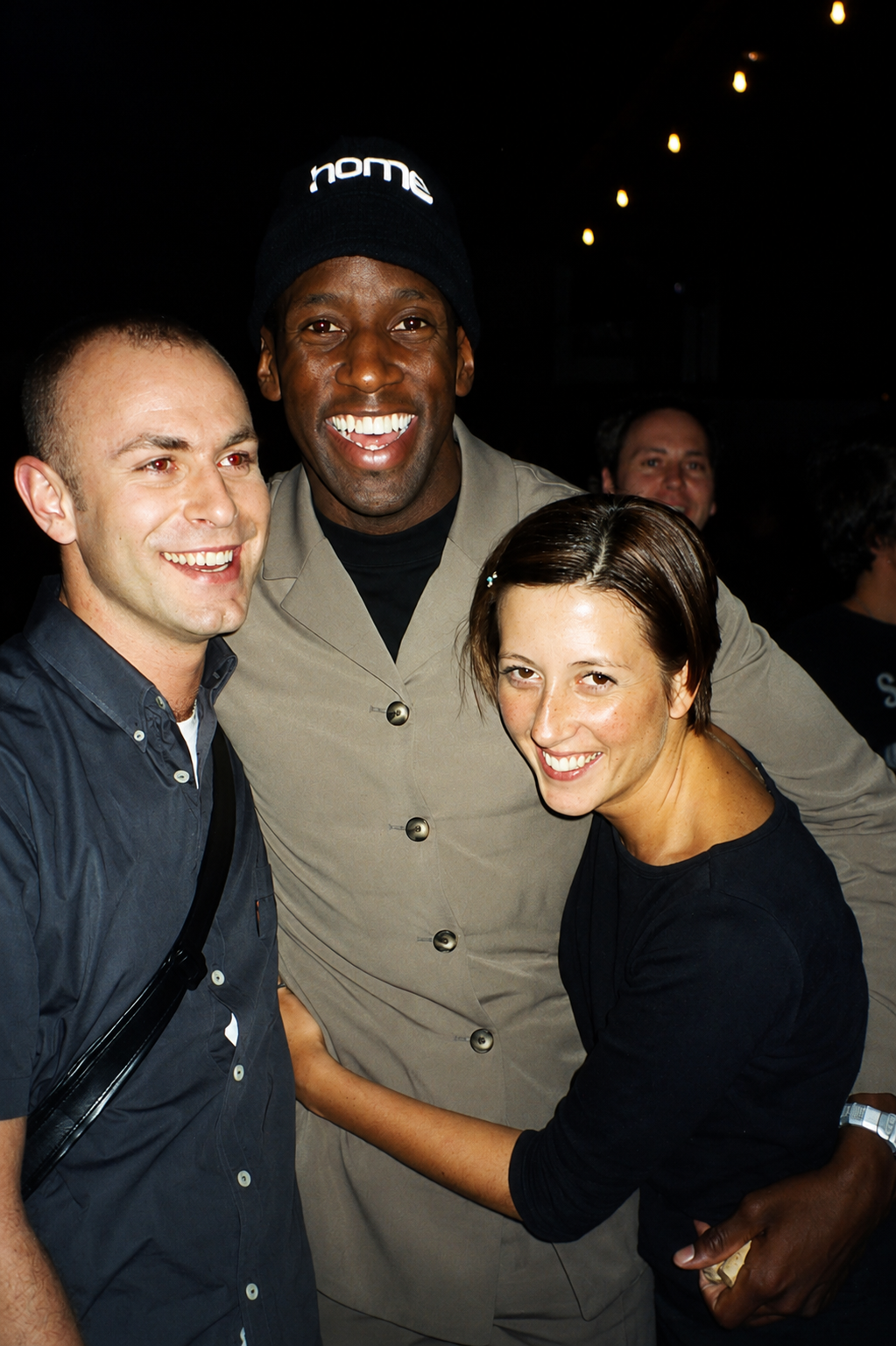
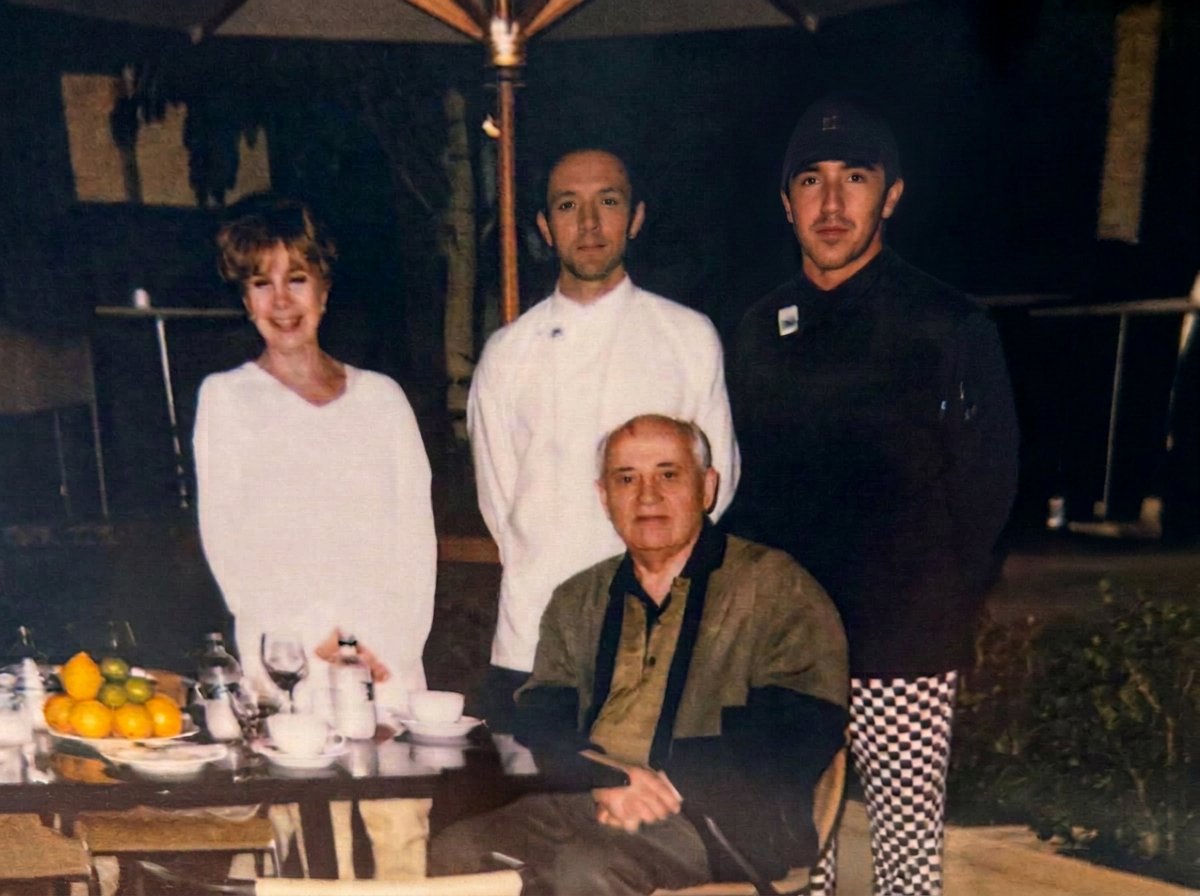
It was built to do more than run weekly nights: exclusive dinners, private events for 2,000 people, film shoots, product launches, fashion parades, a merchandise room. HOME could hold all of it without losing what made it HOME. And within a year, on 9 September 1999, HOME London on Leicester Square had open.
Leading up to the millennium New Year's Eve, we teamed up with legendary Ibiza figure Dany Whittle (exceptional character) to take the brand outdoors from Cockle Bay, delivering the concept Mobile Home NYE party at the iconic Bondi Pavilion at Bondi Beach for a legendary 20,000 strong crowd, featuring Carl Cox, who after his Sydney set famously caught a flight across the international date line to play NYE all over again in Hawaii.
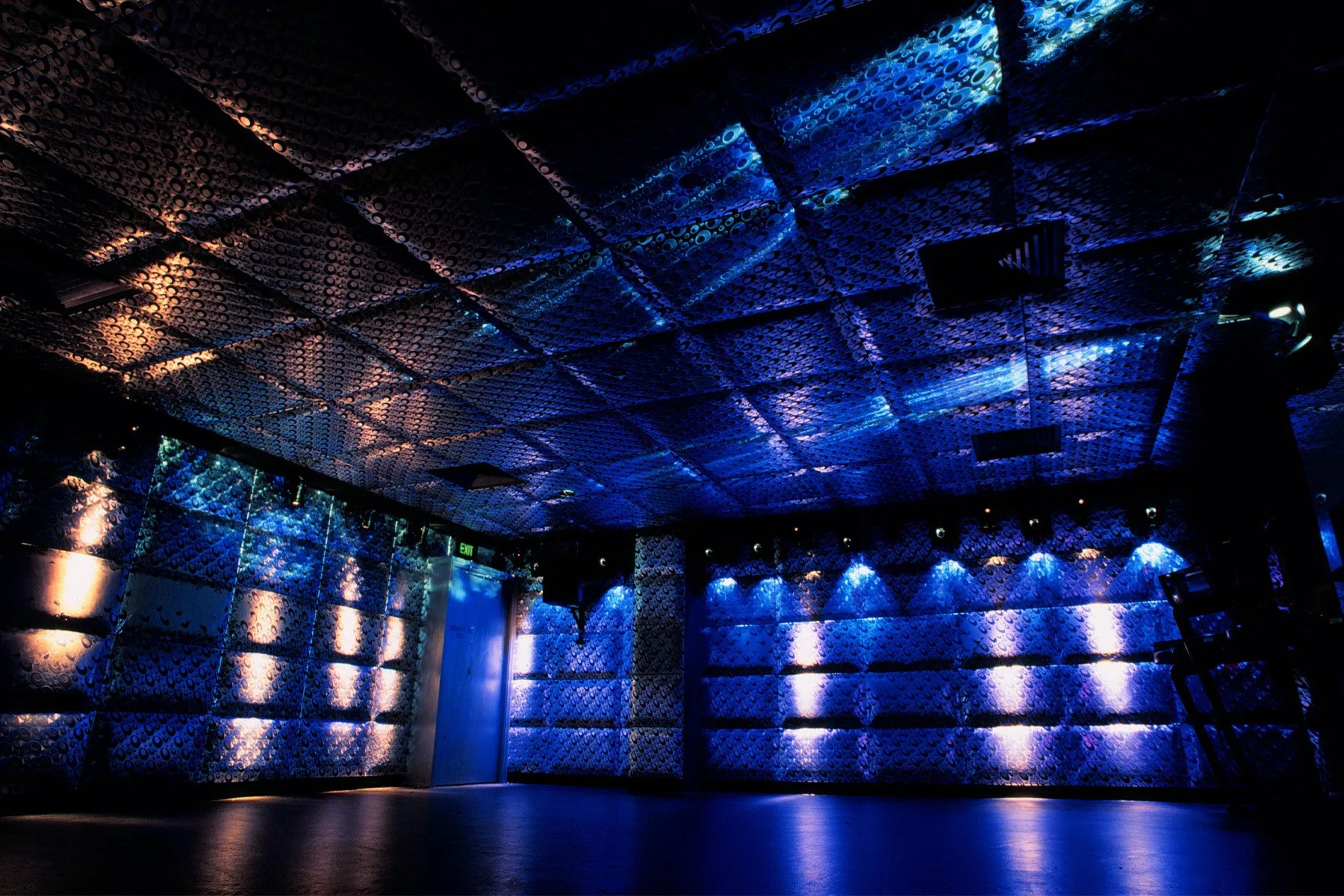
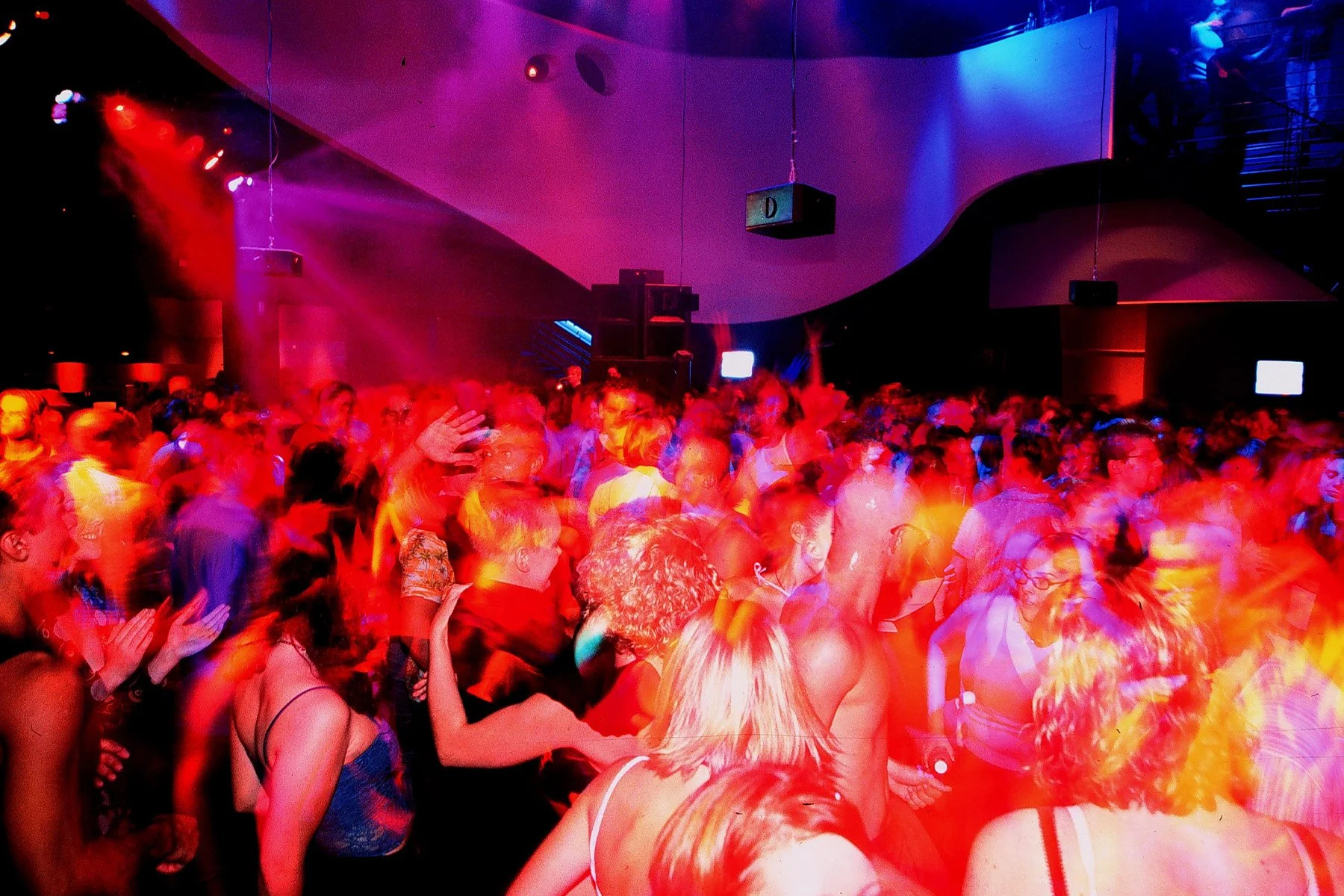
When we opened HOME I was 34 years old. I was a partner, a shareholder, the DJ, the licensee and the managing director. The journey that led to HOME remains to this day one of the most important steps in my entrepreneurial life. To see the project come to life from conception to opening, and to stay focused and true to the original concept, was not an easy challenge. I was aware of the challenges ahead, especially going into partnership with a heavyweight like Big Beat International.
Personally, I believe we came very close to delivering what was intended. Towards the latter part of my time there, things weren't always straightforward, and it was time to move on.
I stayed on as a shareholder in HOME until following the closure of HOME London, at which point HOME Sydney changed ownership to Simon Page of Sublime. I didn't dwell on it, I put my energy straight into the next cycle, and House Solution, later Tank, Zeta Bar and, because of the lockout laws, ReccoLab Cucina Italiana were where that vision found its footing again. ReccoLab was sold in August 2025, and a new chapter is taking shape.
Shortly after returning to Sydney, Lendlease announced the Cockle Bay Wharf development at Darling Harbour. Included within the project was a major waterfront entertainment space that immediately captured our attention. After several months of discussions and negotiations, the proposal came down to two finalists: ourselves and The Metro. The strength of the international partnership, combined with the vision for the project and the experience of the Big Beat Group, helped take the negotiations over the line.
A twenty-year lease was signed, we were the first tenant to commit, Tenancy 101, Cockle Bay Wharf. Lendlease had spent years trying to unlock that stretch of the harbour, still occupied then by the old Luna Park site, and earlier masterplans had stalled. What made it work was tying the wharf to their Darling Park towers just up the block, a striking three-tiered design from architect Eric Kuhne that finally won approval, and a deliberate, hand-picked mix of operators rather than a standard retail line-up. Being chosen as part of that, and first through the door, told us the ambition behind HOME was being taken seriously.
By the final week Love Communication connected it all back to the venue, and by the time HOME opened on 13 November 1998, the image was already stuck in the city's head.
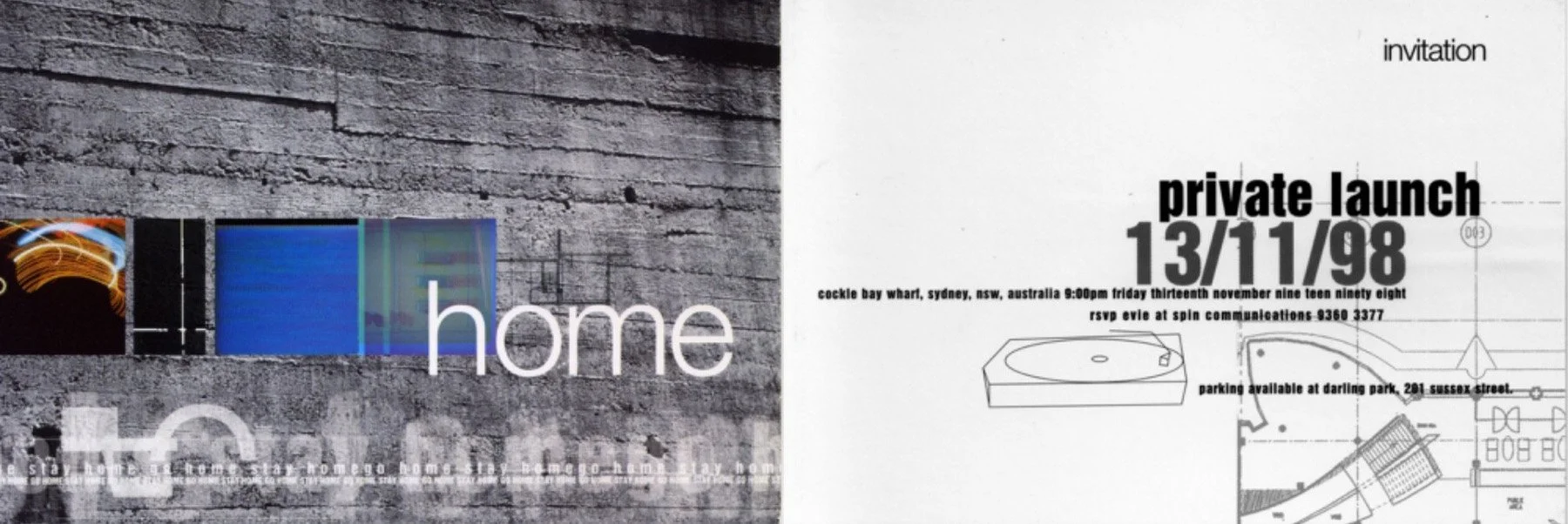
HOME opened for family and friends on Thursday 12 November 1998, coming off circa 18 months of construction leading to the launch that tested everyone's ability to stay focused. I remember the liquor licence being approved on the same day, just 20 minutes before close of business, and on the Friday, for the VIP launch night, the air conditioning ducts triggering the fire alarms because residual dust had reached the smoke detectors. Let's say it was a hugely successful weekend with a few episodes at the scale that were impossible not to happen.
The DJ booth consisted of one UREI Mixer/Crossfader, two PDS 3000 Crossovers and one PDS 5000 Equalizer, three Technics turntables, two CDJ 500II LTDs, with two 15-inch custom built monitors and an 18-inch subwoofer tucked under the booth console. Because the subwoofer under the console was so powerful, Steve had to completely decouple the gear from the vibrating booth, engineering an ingenious, low-tech DIY suspension so that the Technics 1200 turntables rested directly on top of crossed rubber bands. The floating rubber band technique remains a legendary piece of clubland folklore, used heavily during those days especially in New York.
Fridays belonged to Sussed, garage, house and deep techno, with regular international guests. Saturdays became Homemade, the club's longest running weekly night, still going strong today.
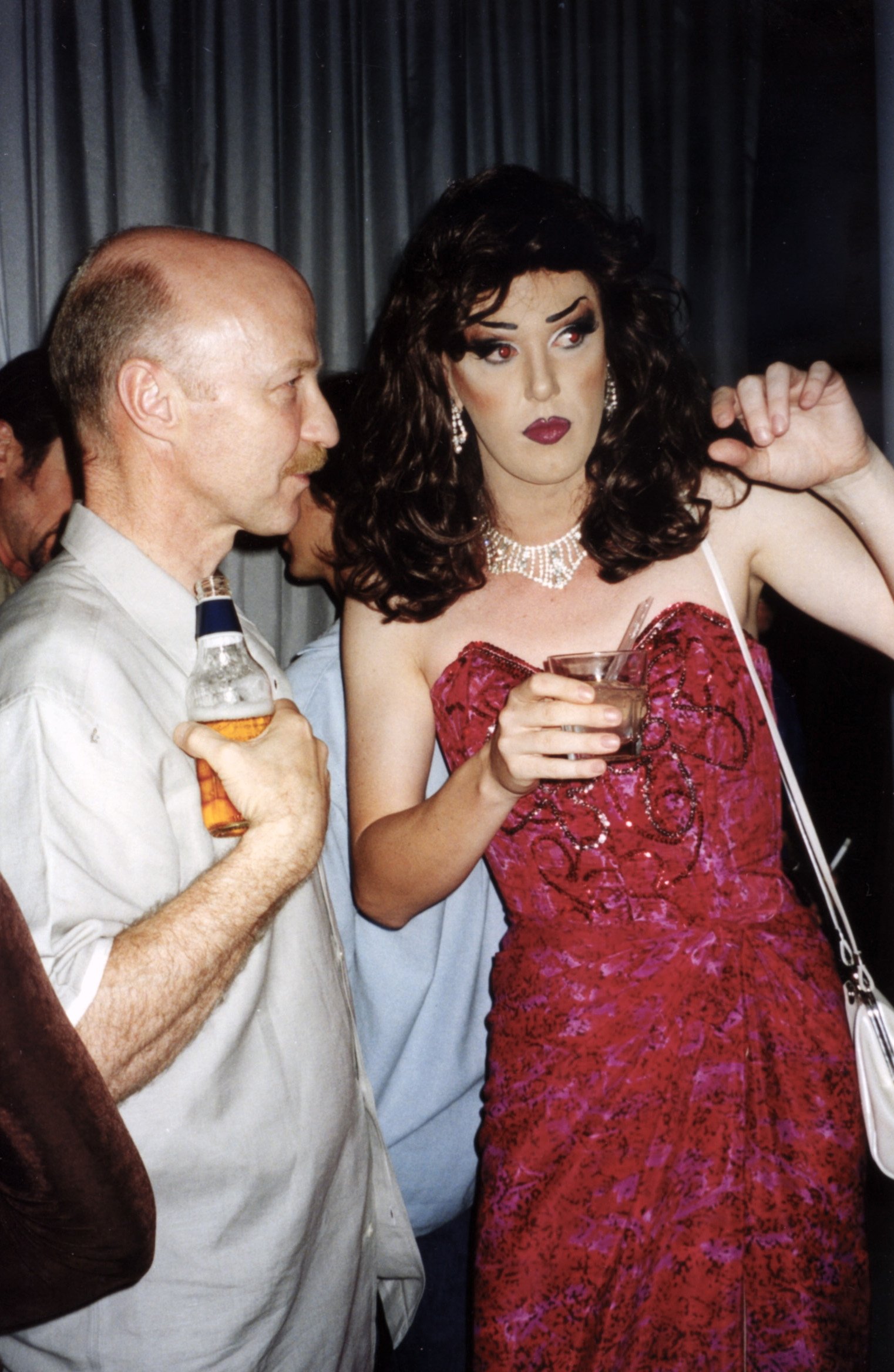
Sydney has long been recognised as one of the world's most vibrant and welcoming LGBTQIA+ capitals, strengthening that connection meant bringing in Stephen Allkins and Ben Drayton, with resident Queens Claire de Lune, Verushka Darling, Carlotta, Mitzi Macintosh, Maxi Shield and Polly Petrie, a fifteen-minute stage show that was the lifeblood of a ten-hour party, 10pm Sunday to 8am Monday. Long-weekend Sundays ran under the Queer Nation and Homosexual banners, special pre-public-holiday events that delivered great music, big crowds and an unbeatable vibe.
So many episodes come to mind: a break in the deal argument with Lendlease regarding design, resolved at the very last minute; the difficulties of managing the construction workflow from a distance; a London meeting between Paul Collings and Michael Hutchence to explore a possible involvement in the project; the recruiting of staff and training operations (on the weekend we had about 70 plus working); the arrival of the Scottish contingent to Sydney to support the launch, the likes of Brian Reid, Mark and Sarah Broadbent, Jason Bye and an exceptional human being greatly missed, Scottish expat Paul Strange. Bringing back from Italy, after a 7-year absence, Robert Ian Bonnick as VIP host for Home The Terrace, which led to a 15 year business partnership.
The first New Year's Eve with Claudio Coccoluto and being able to share what our conversation led to; Mikhail Gorbachev and his wife Raisa Gorbacheva arriving at Home Bar just after lunch, eating Spaghetti with Extra Virgin Olive Oil and Parmigiano Reggiano, and of course, seeing that HOME now "The Venue" is still a destination, under the great work of Susanah Page and her daughter Sophie Kollmorgen.
